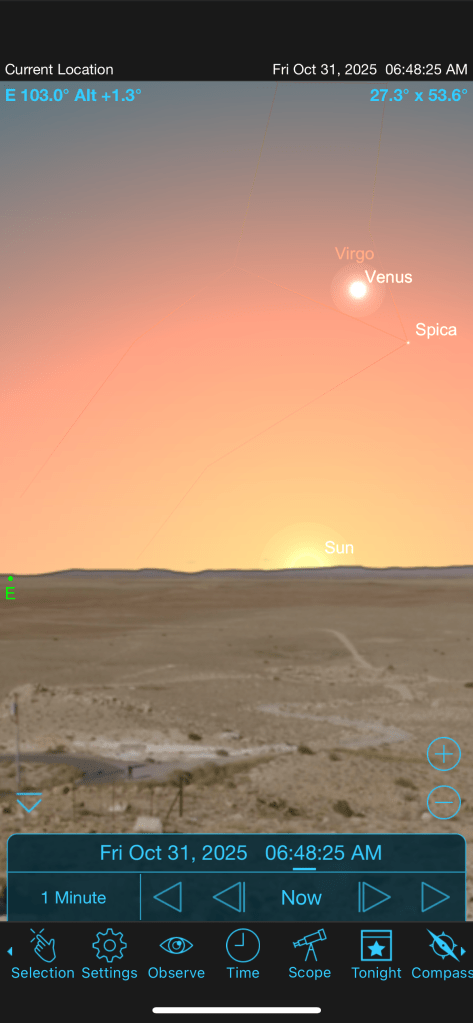
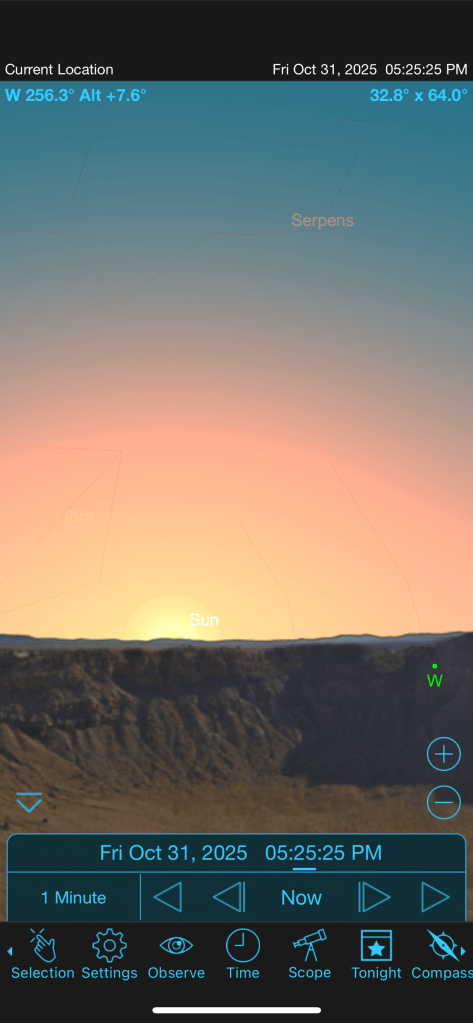
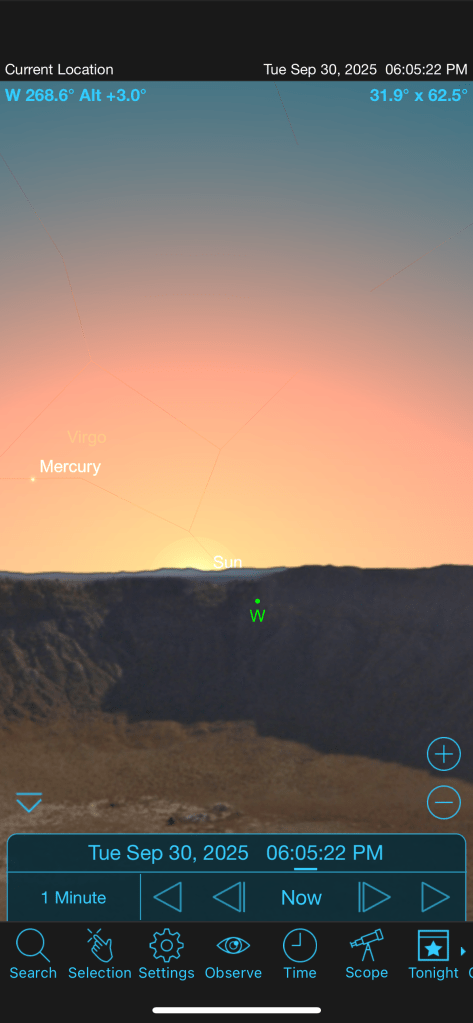
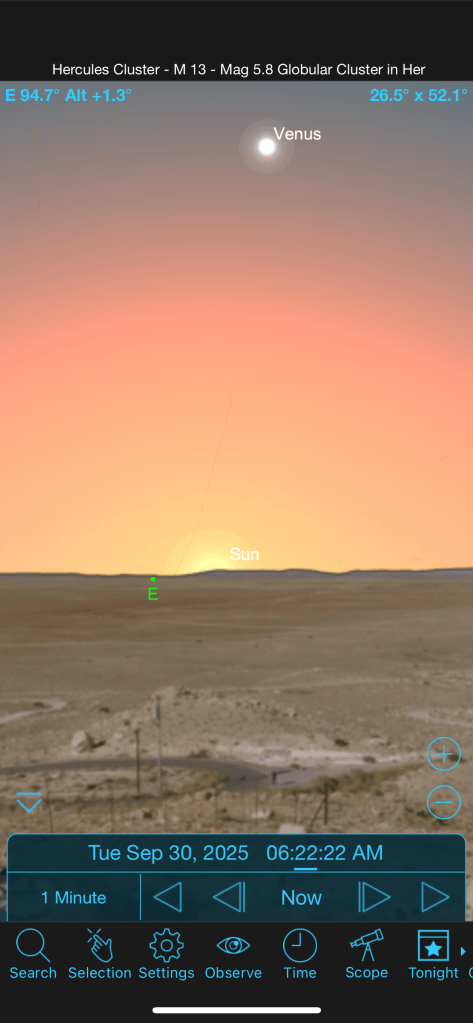
Sunrise in Mesa, AZ the first few days of November will be around 6:48am and sunset around 5:36pm. As the month progresses, the sun will rise slightly later and set slightly earlier. By the end of the month we will see the sunrise around 7:14am and sunset around 5:20pm.
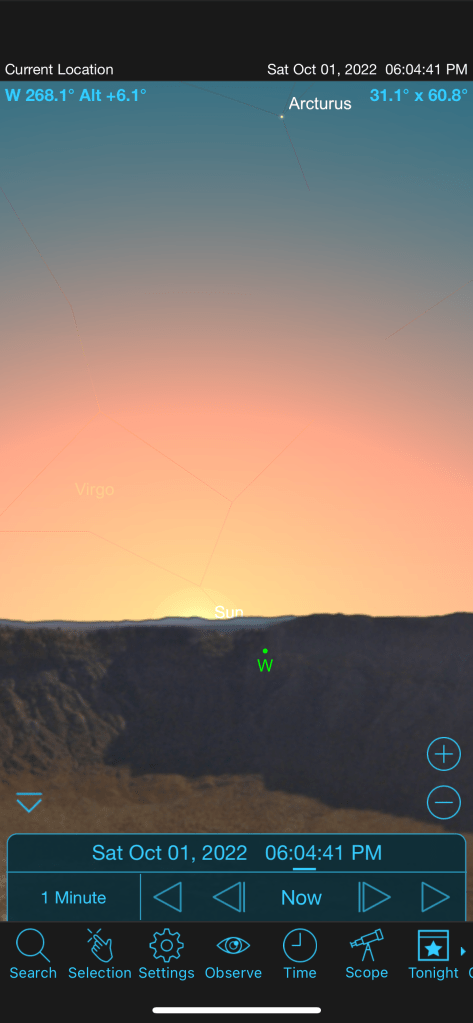
Sunrise early in the month
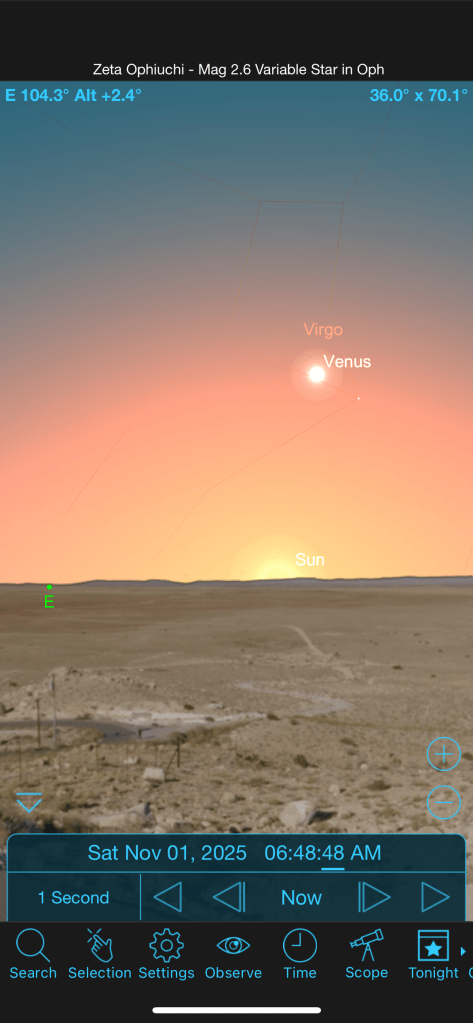
Sunset early in the month
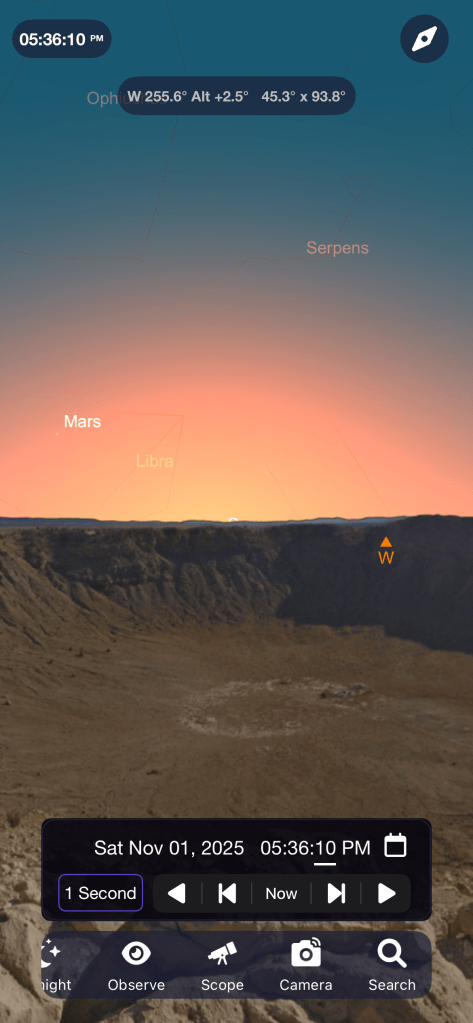
Sunrise late in the month
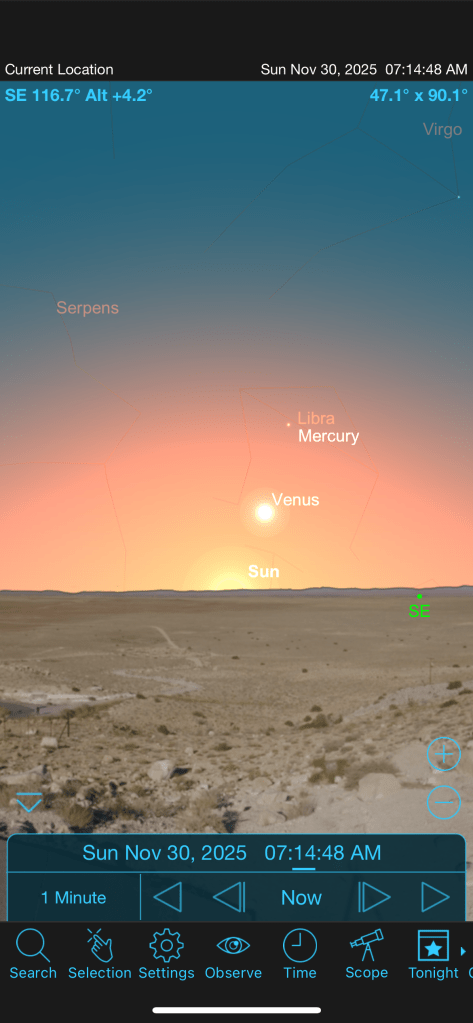
Sunset late in the month
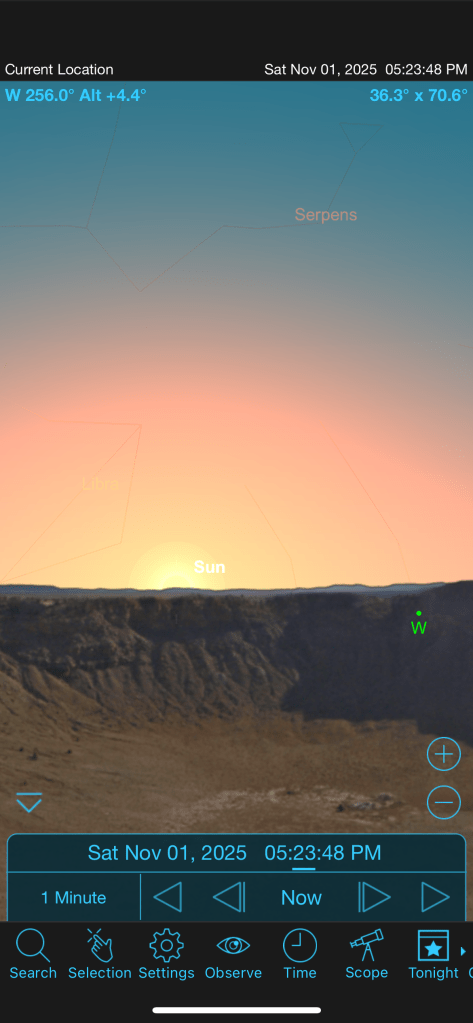
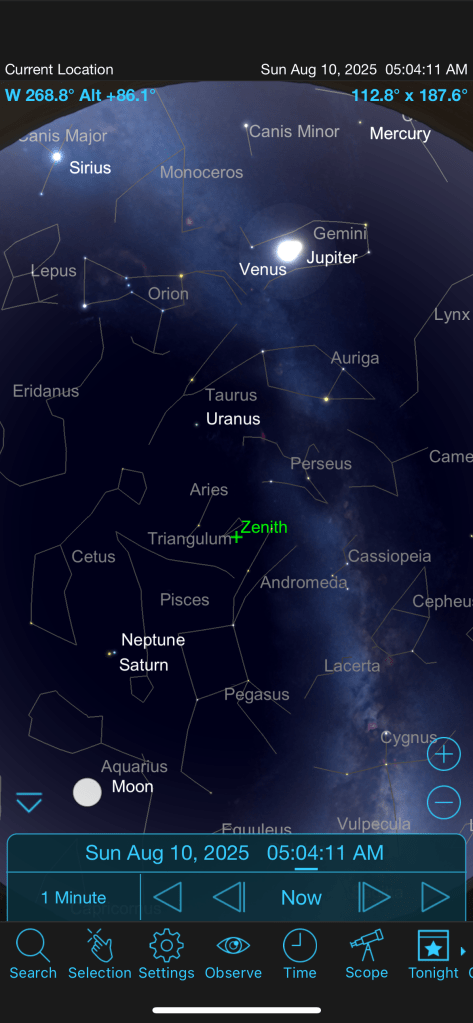
Planets visible
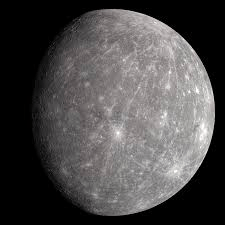
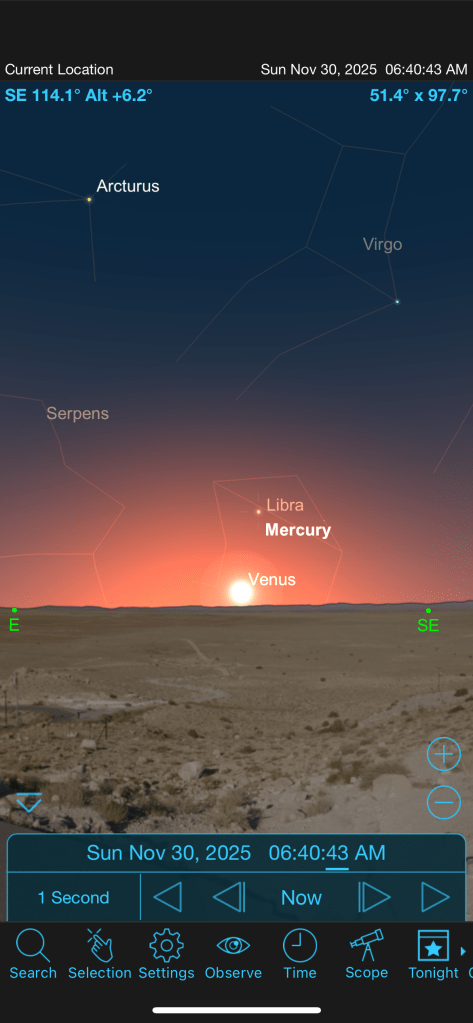
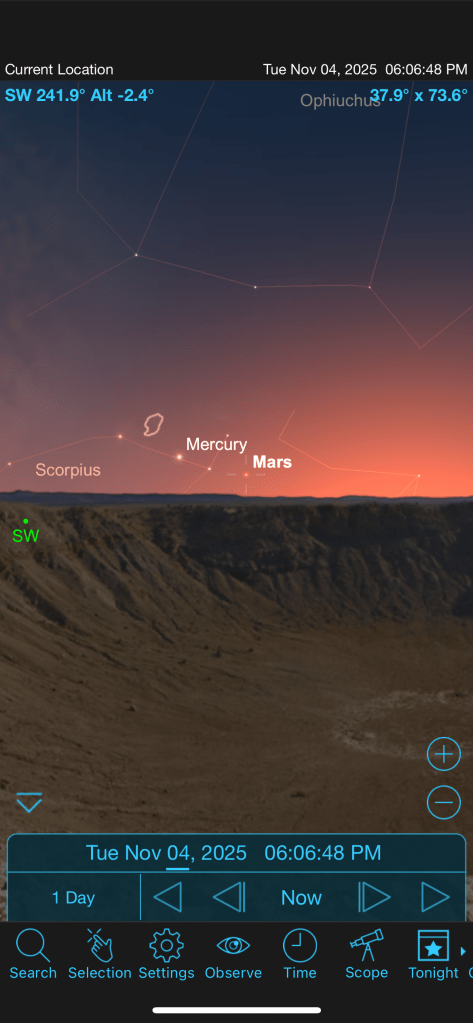
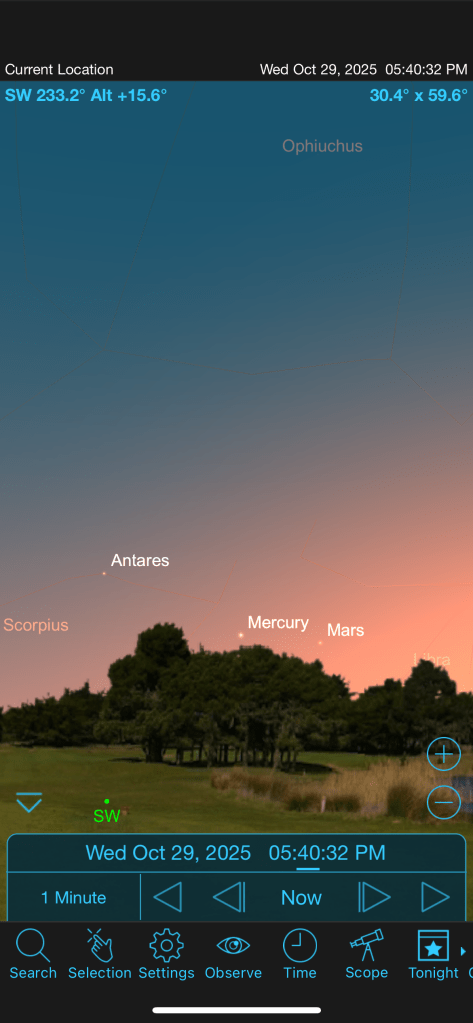
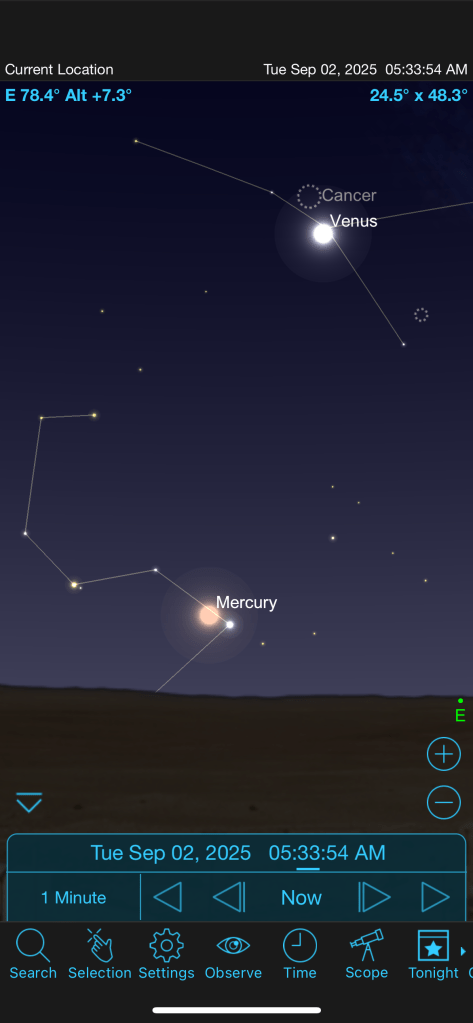
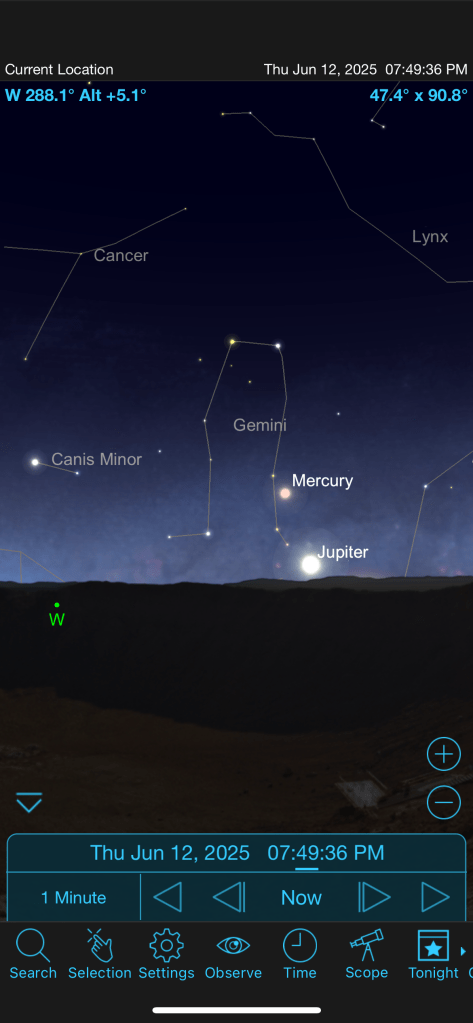
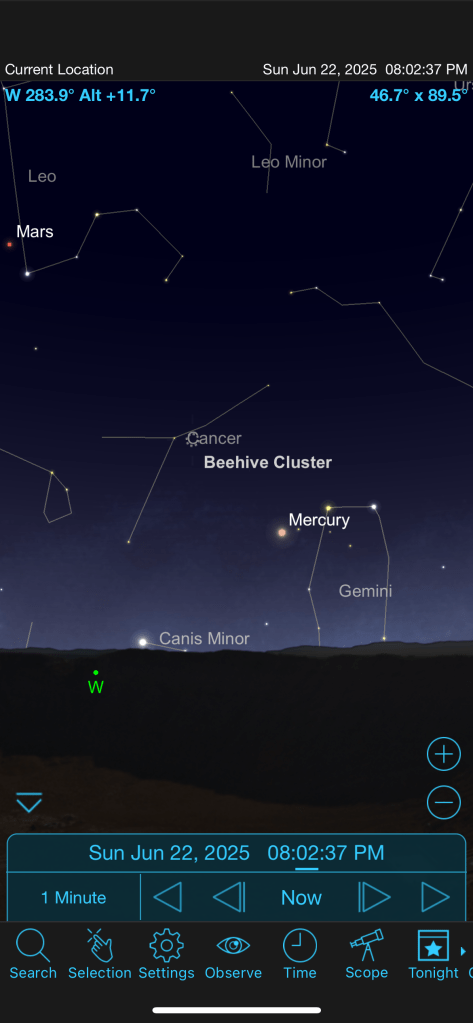
Mercury (mag -0.1 to 0.2): will be visible very low in the western sky and hard to see during the evening early in the month. Best chance to see Mercury will be in the morning sky after inferior conjunction with the sun on November 20. The period from Nov 28-30 is a good opportunity to spot it before it reaches its greatest elongation west on Dec 7. Look for it in the southeastern sky just before sunrise
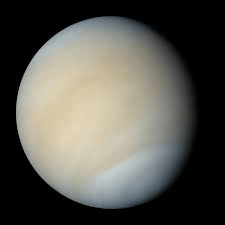
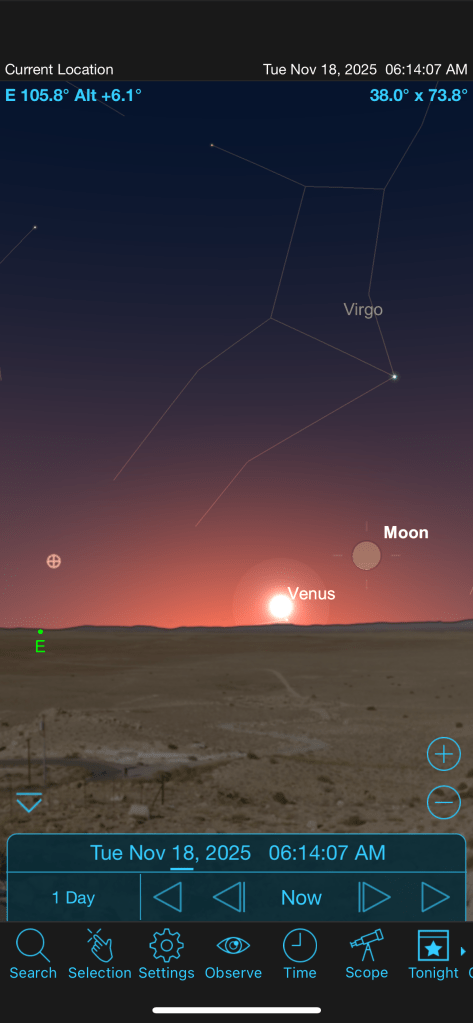
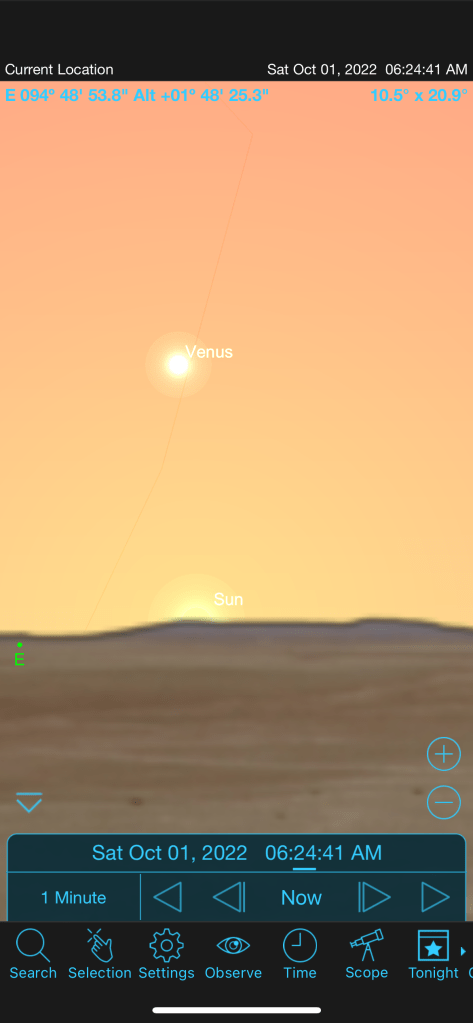
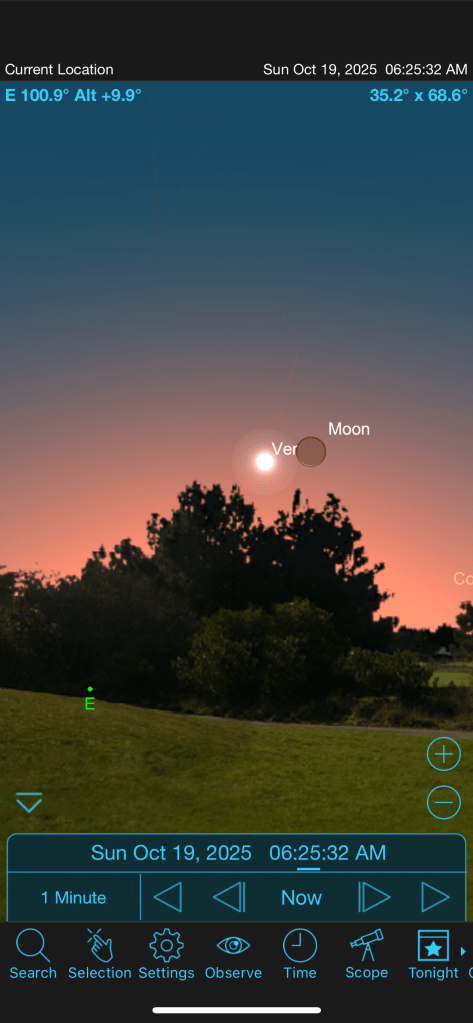
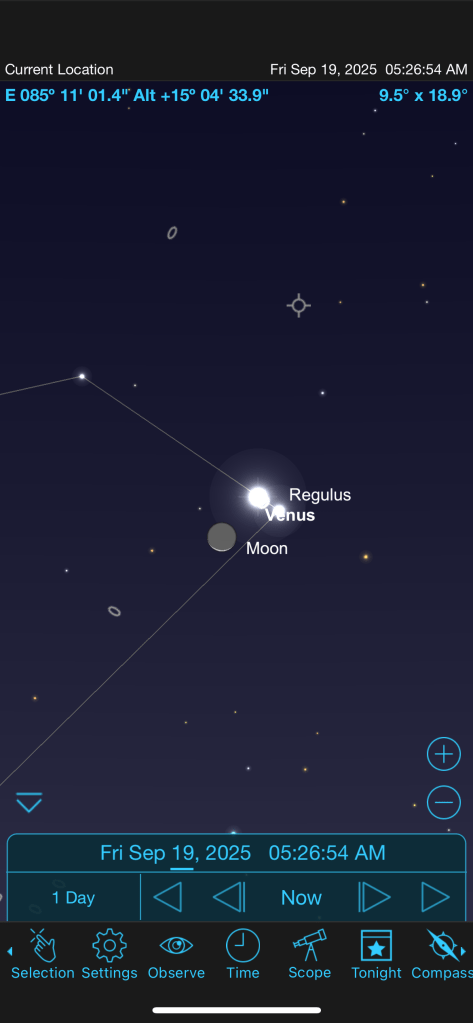
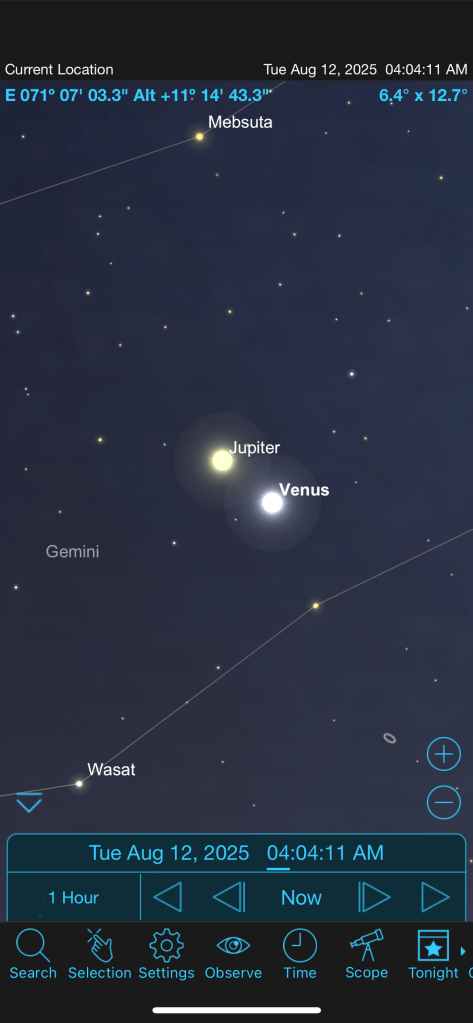
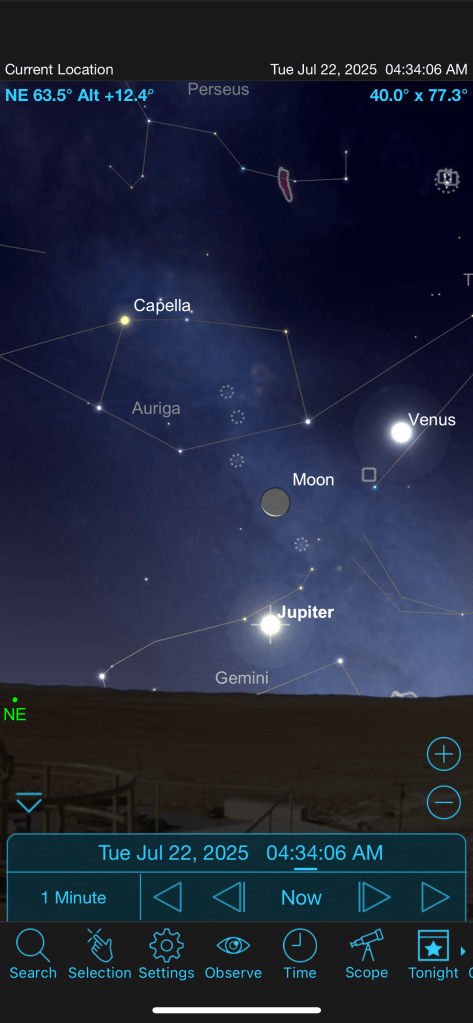
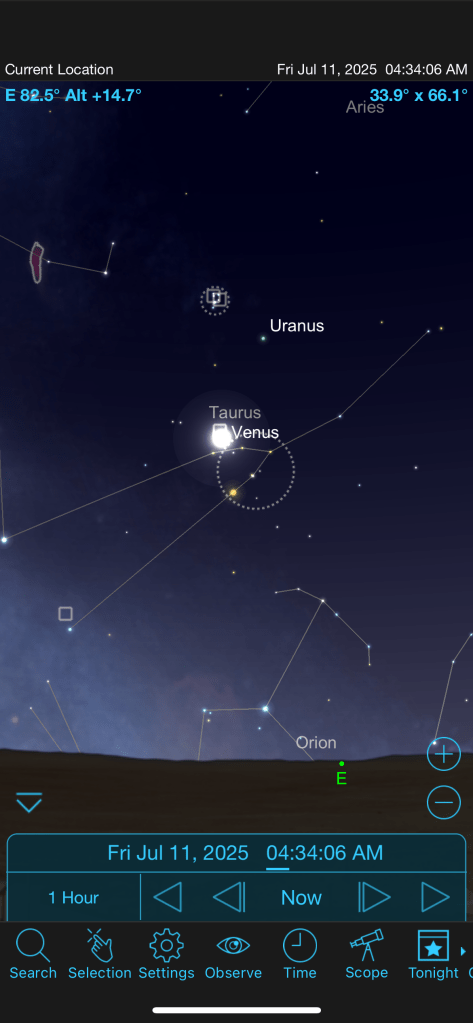
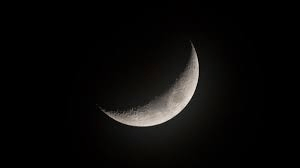
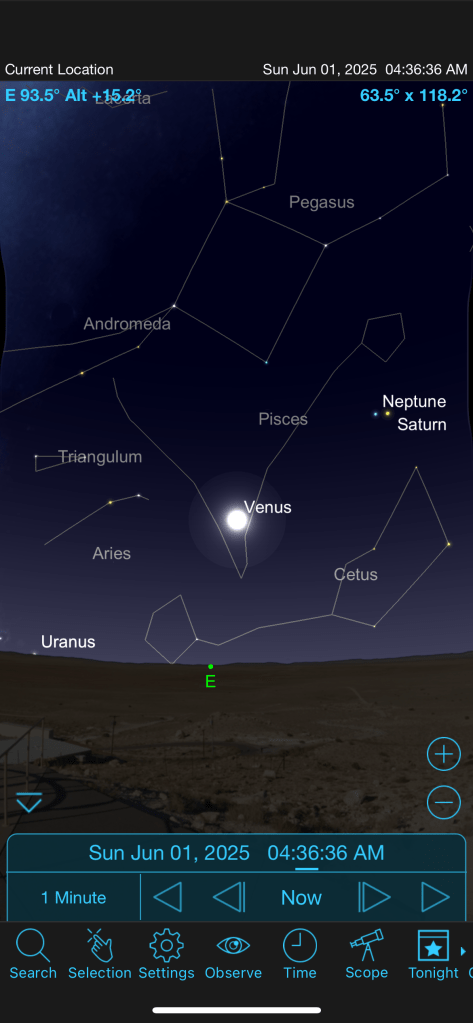
Venus (mag -3.9 ): is visible but it will be low in the eastern sky before sunrise and will be fading from view as the month progresses. A very thin waning crescent moon will be nearby on the morning of Nov 18.

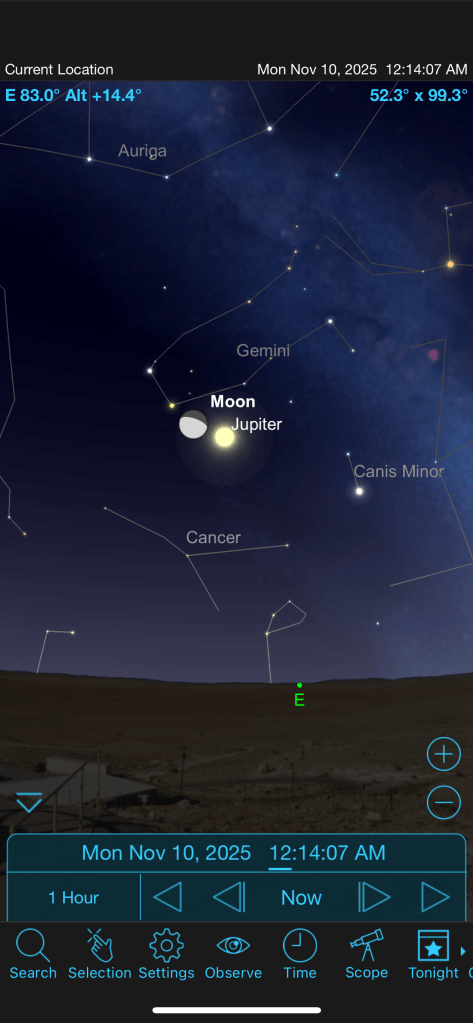
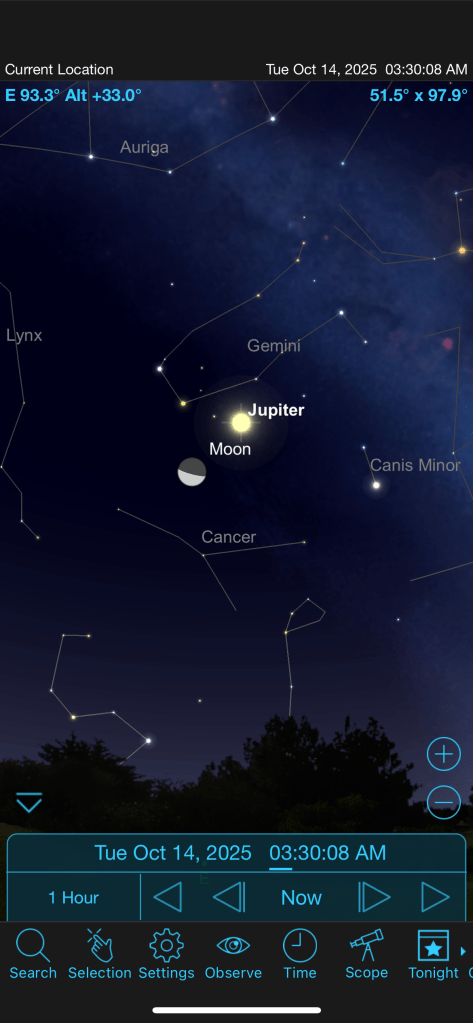
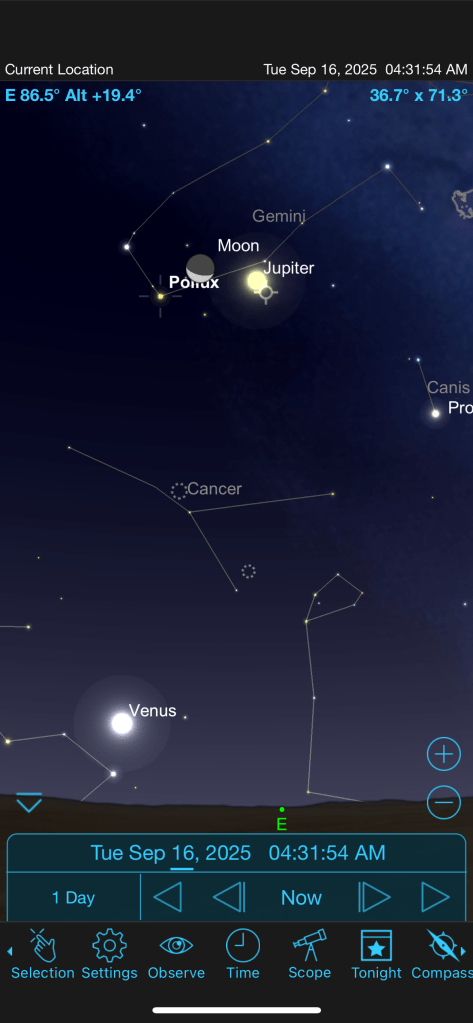
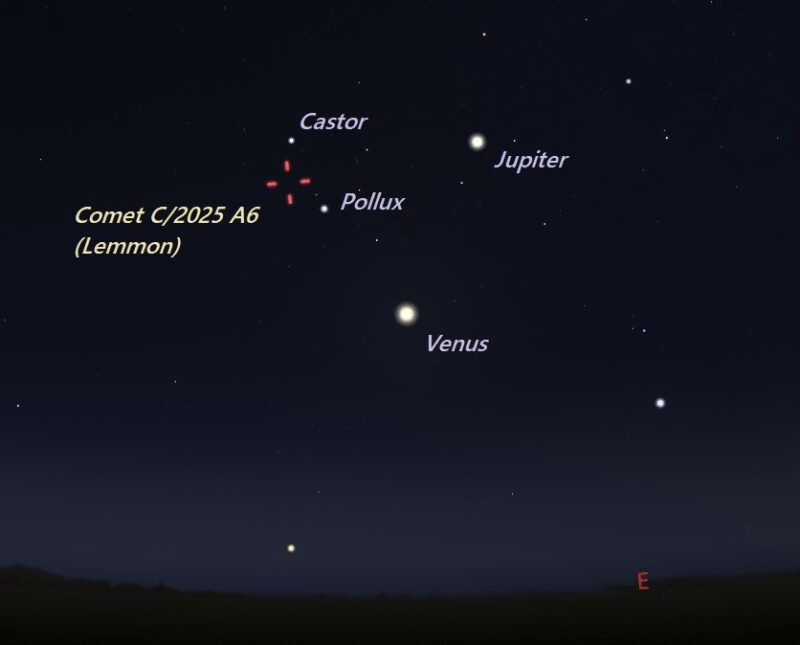
Jupiter (mag -2.3 to -2.5.): will be appearing in the eastern sky before sunrise and becoming visible in the evening sky around midnight as the month progresses. It will rise earlier and earlier each night, setting just before the sun on the last day of November. Jupiter will enter retrograde motion around Nov 11, a sign that opposition is approaching. Jupiter remains in the constellation Gemini with the moon passing nearby on the morning of Nov 10.
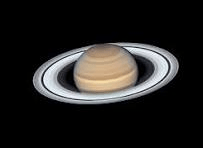
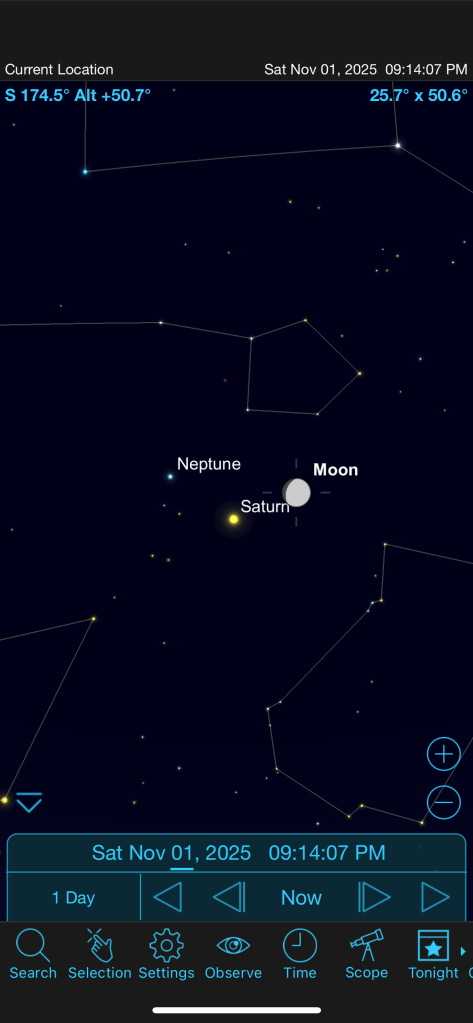
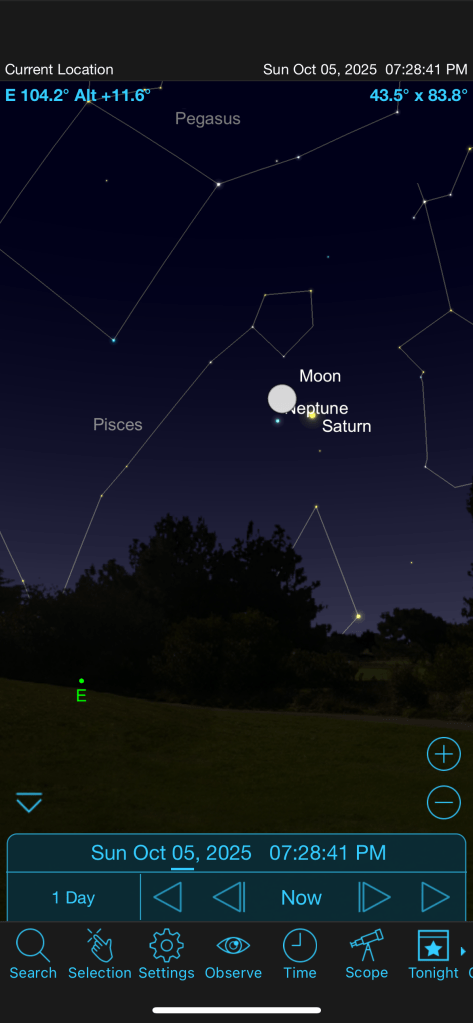
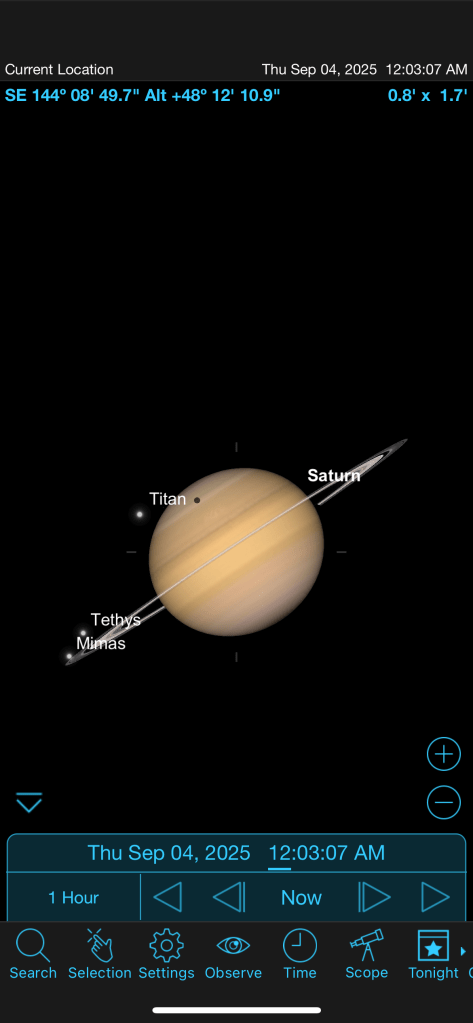
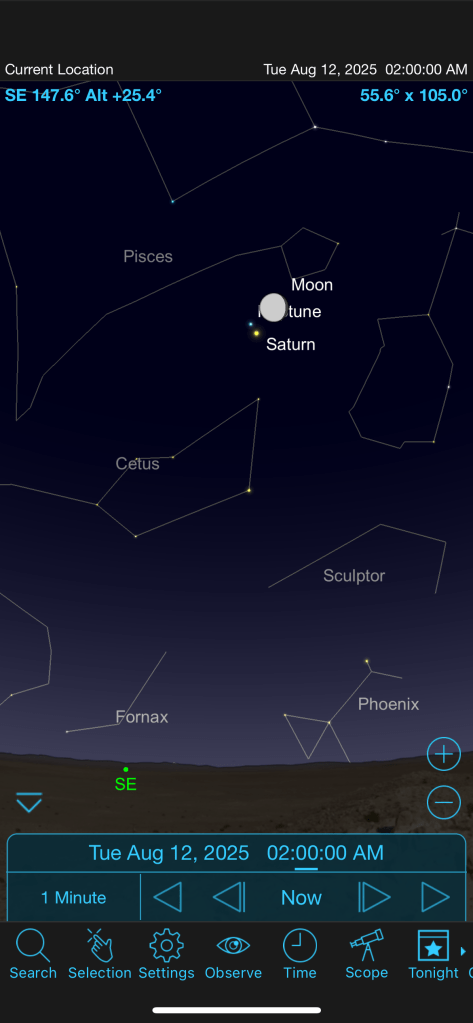
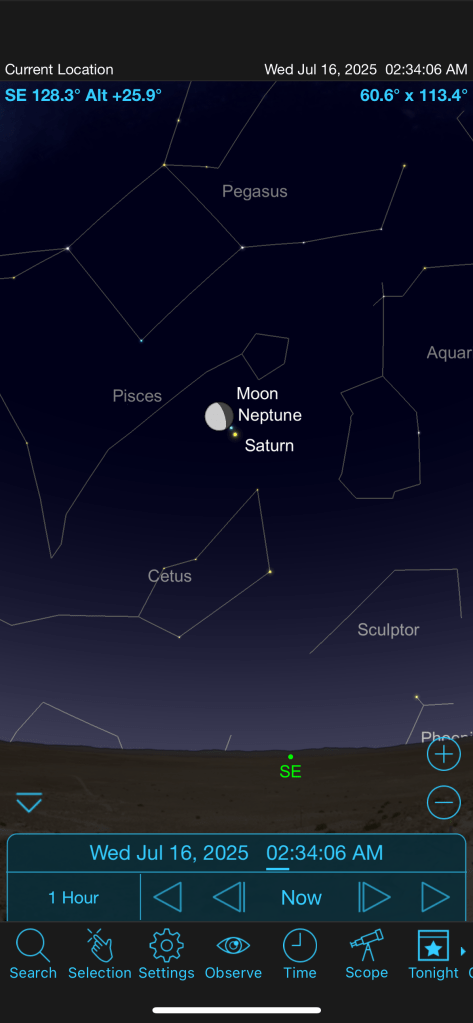
Saturn (mag 0.7 to 0.9): will be visible high up in the south after sunset through most of month. However, it rings will appear to vanish due to a ring plane crossing, They will be aligned perfectly with Earth. This is an illusion, not a loss of the rings. The rings will start to reappear and become visible again through telescopes later this month. On November 1, the waxing Gibbous moon will pass nearby. Saturn will be located in the constellation Pisces.

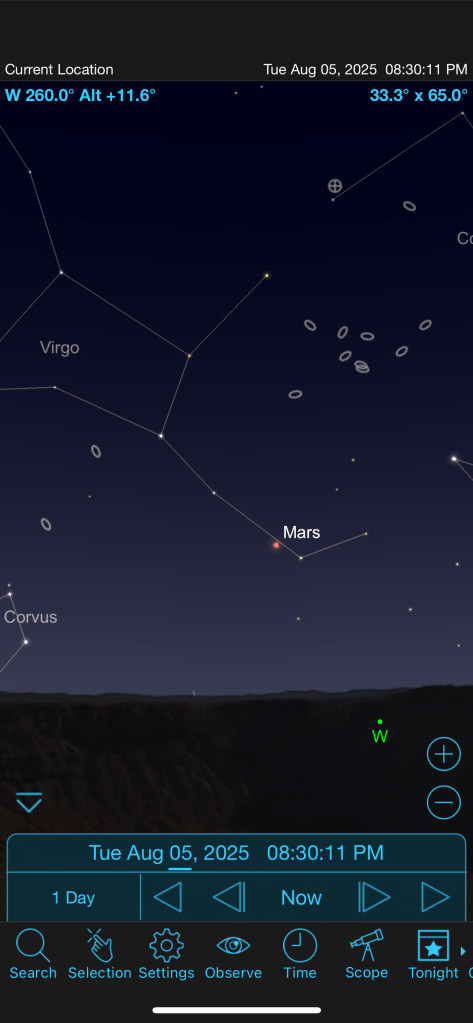
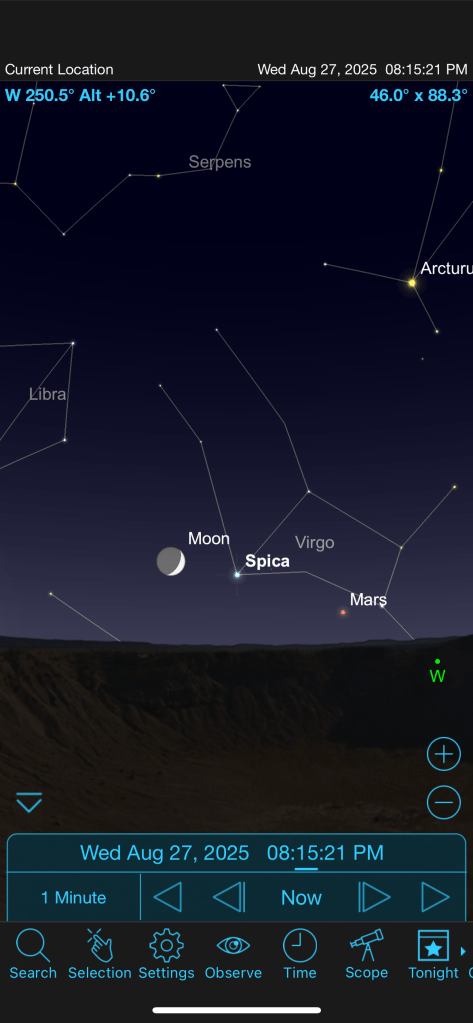
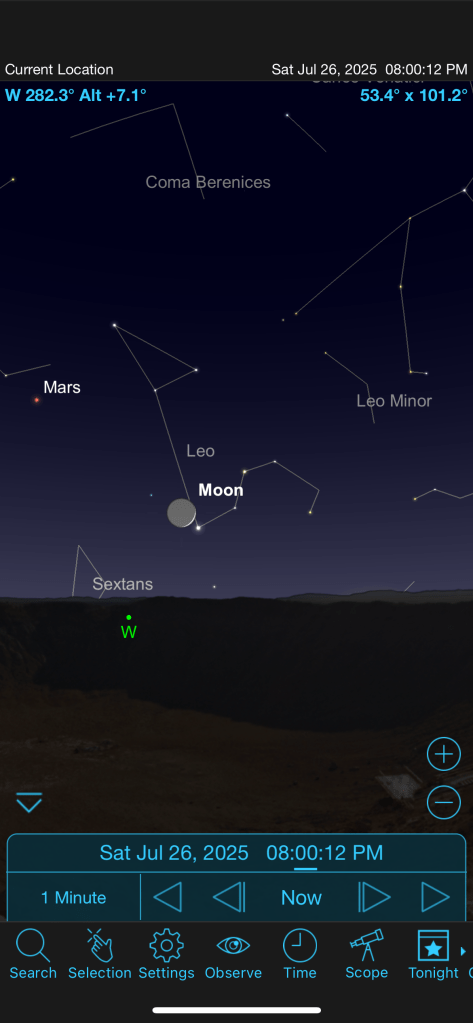
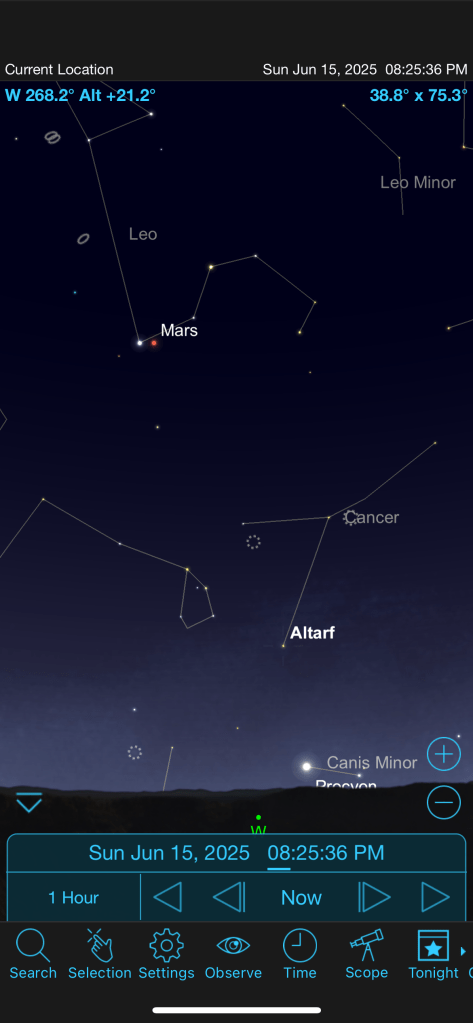
Mars (mag 1.5): you may be able to see Mars in the western sky during the first half of November shortly after sunset. It will appear as a fain orange dot and will become increasingly difficult to spot as the month progresses. By late November, Mars will be lost in the sun’s glare and no longer visible.
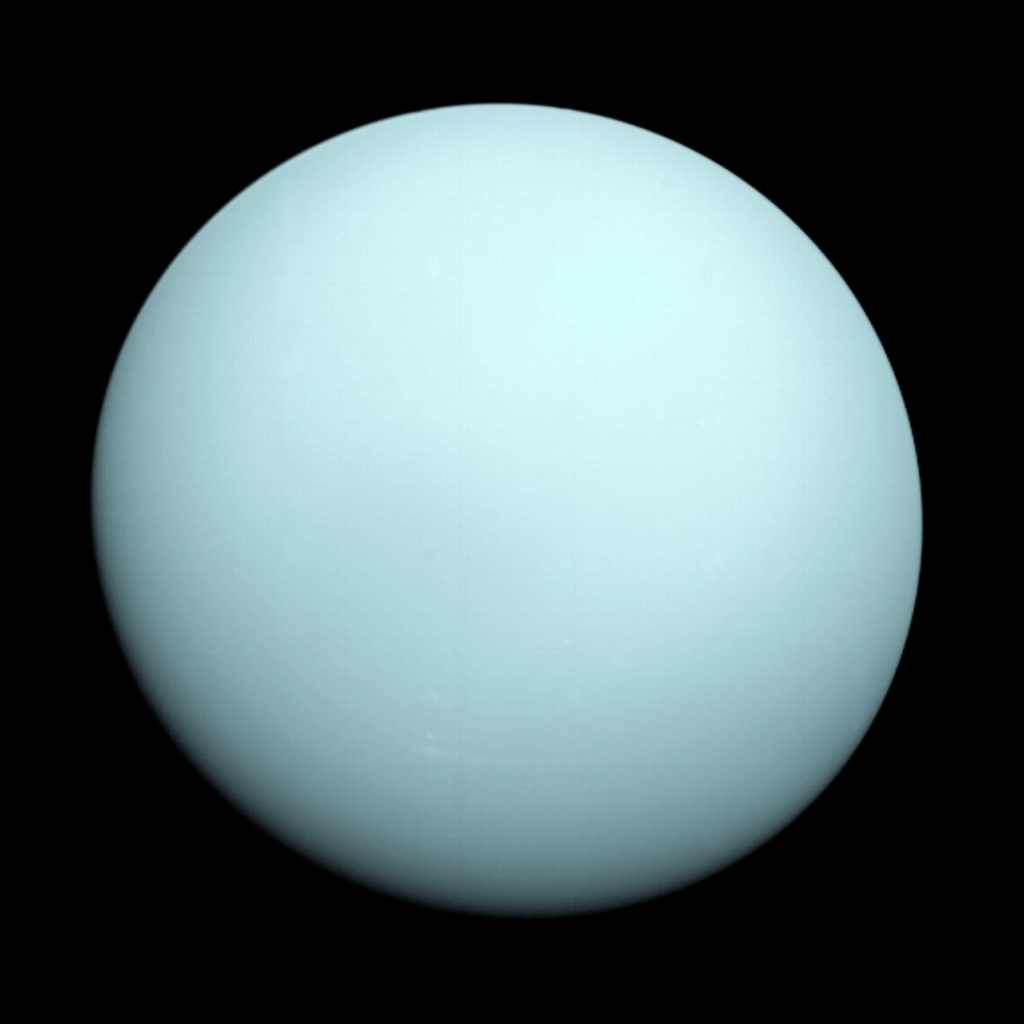
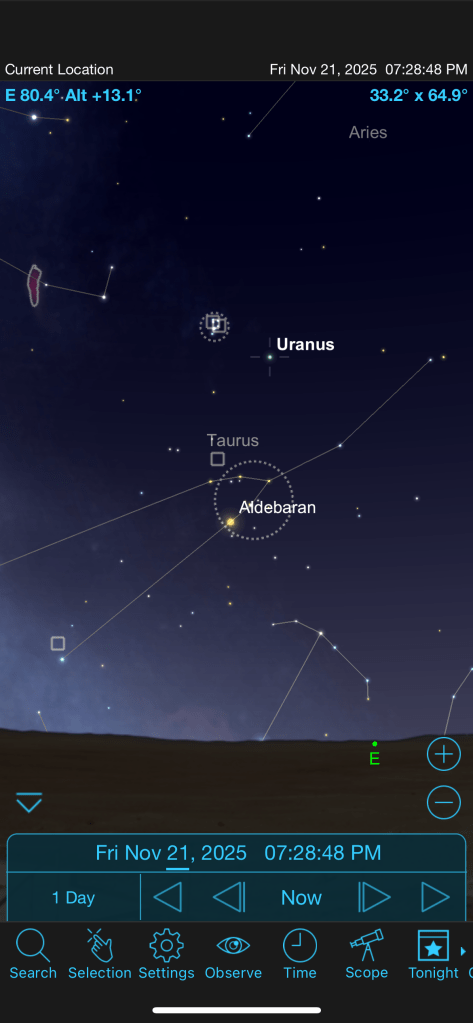
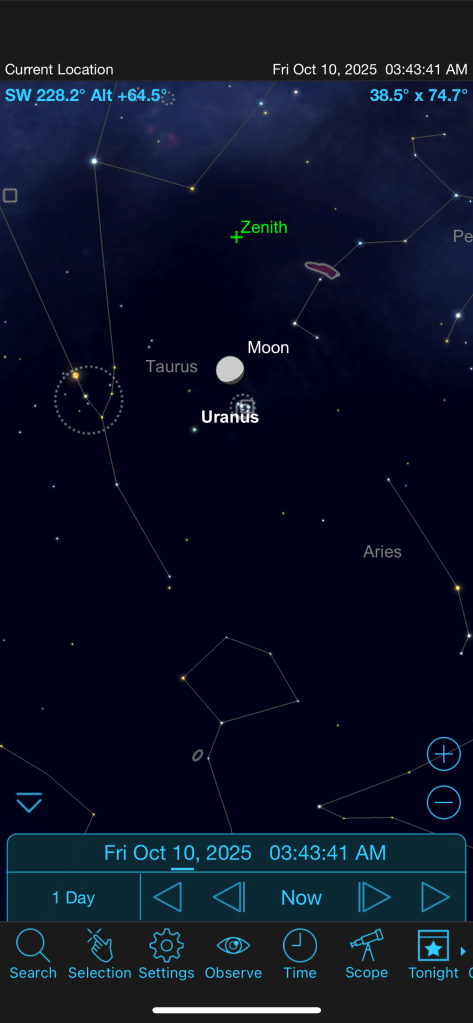
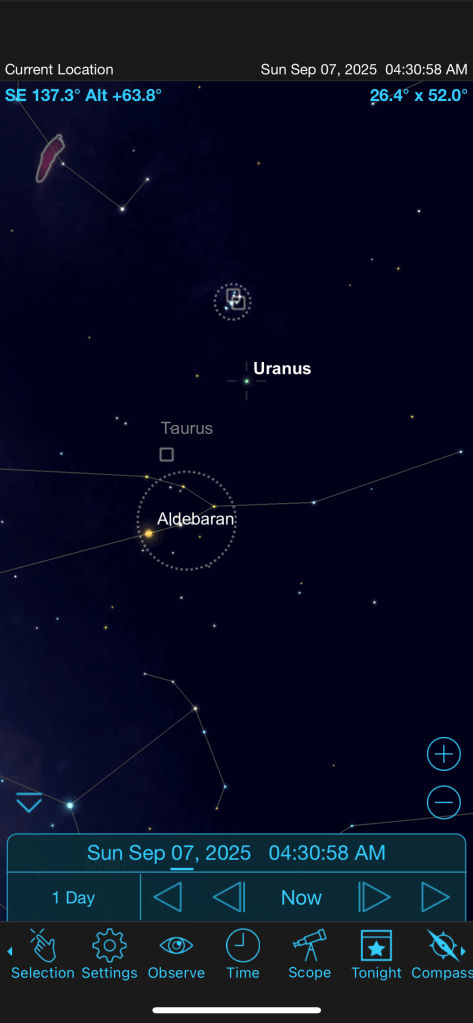
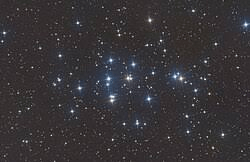
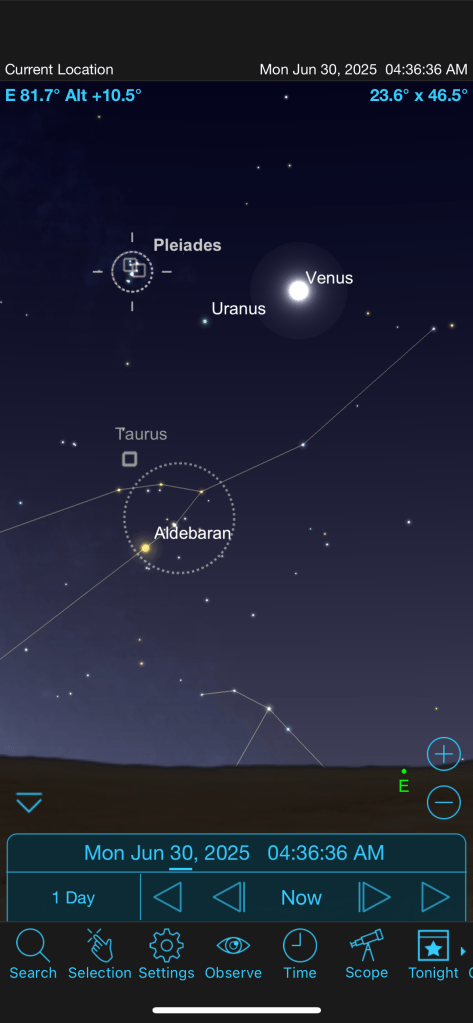
Uranus (mag 5.6 ): will be visible throughout the month while its best viewing opportunity will be on Nov 21 when it reaches its yearly opposition. At that time Uranus will be at its peak visibility for the entire year. During the month Uranus will rise in the east at sunset and be at its highest in the sky around midnight. It will be located in the constellation Taurus the Bull and very near the Pleiades.
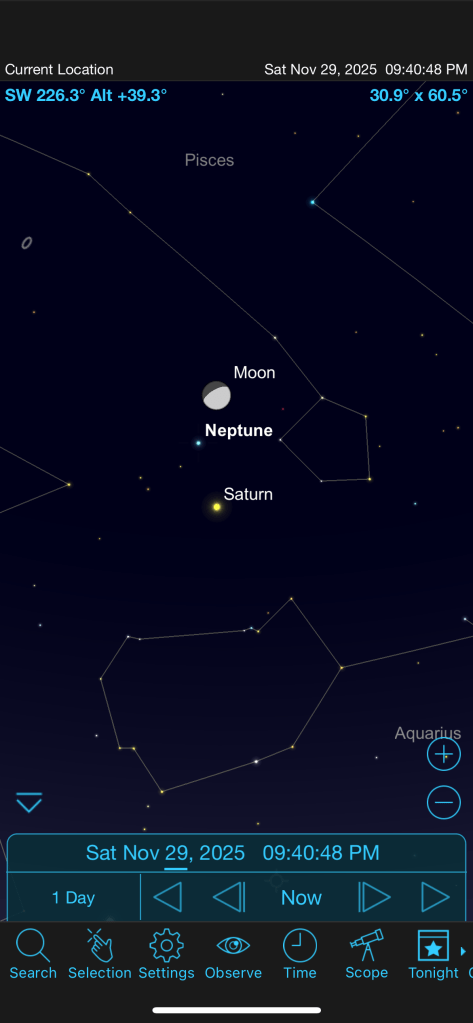
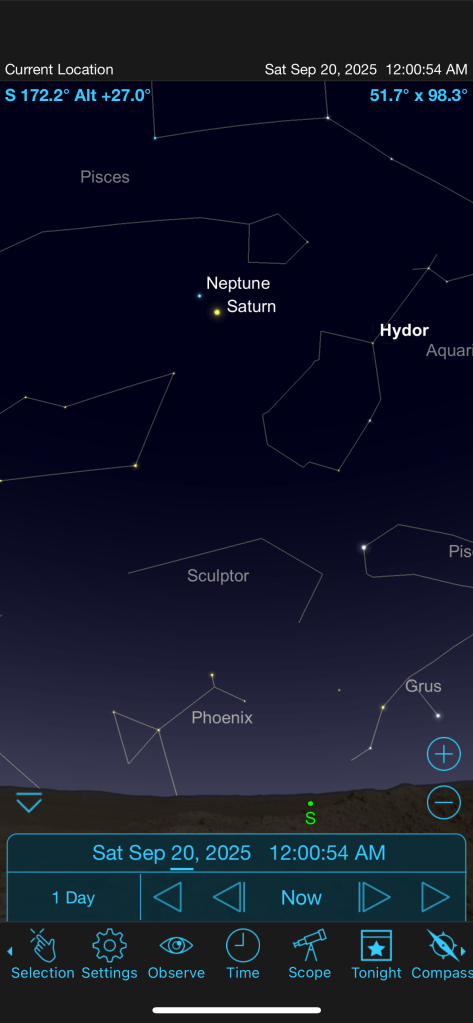
Neptune (mag 7.9): will be visible in the night sky throughout the month but you need optical aid to see it. Having been at opposition on Sept 23, Neptune will be visible in the evening sky through the end of the year and into February 2026. It still in the same vicinity as Saturn however not as close as past months. The waxing gibbous moon will be close by on Nov 29.

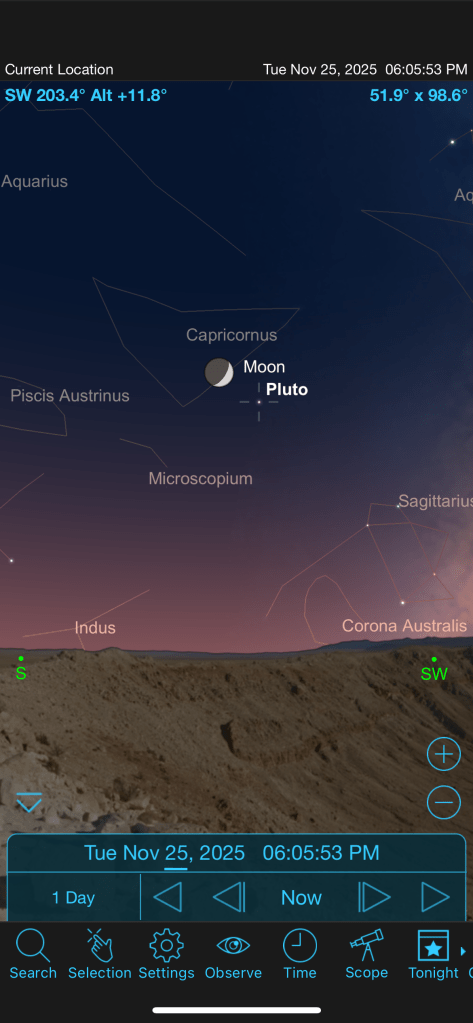
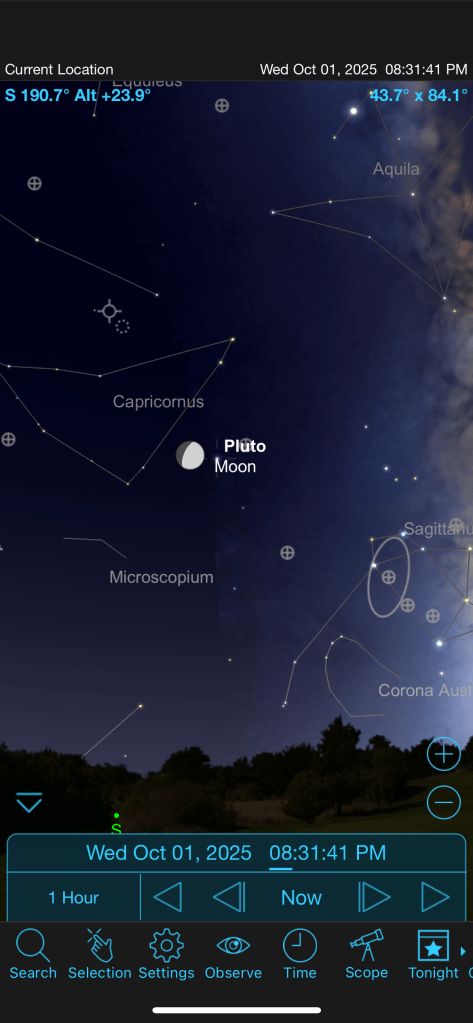
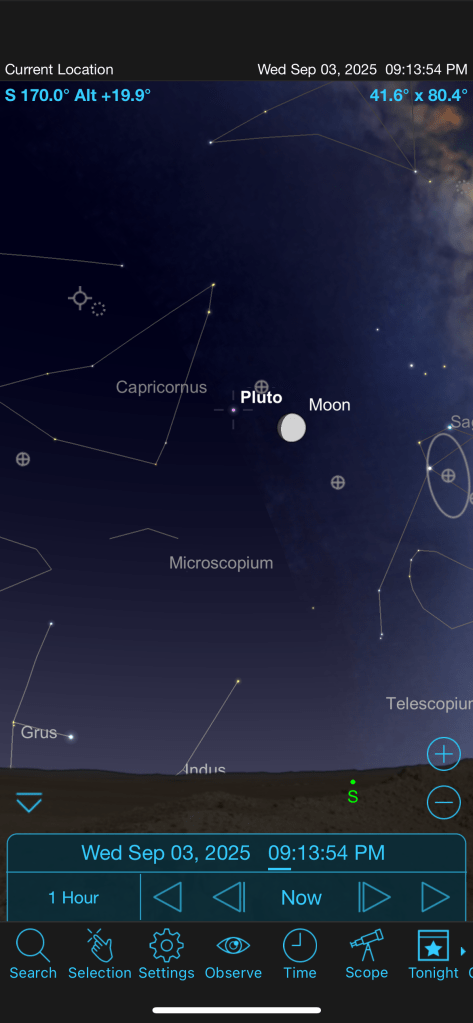
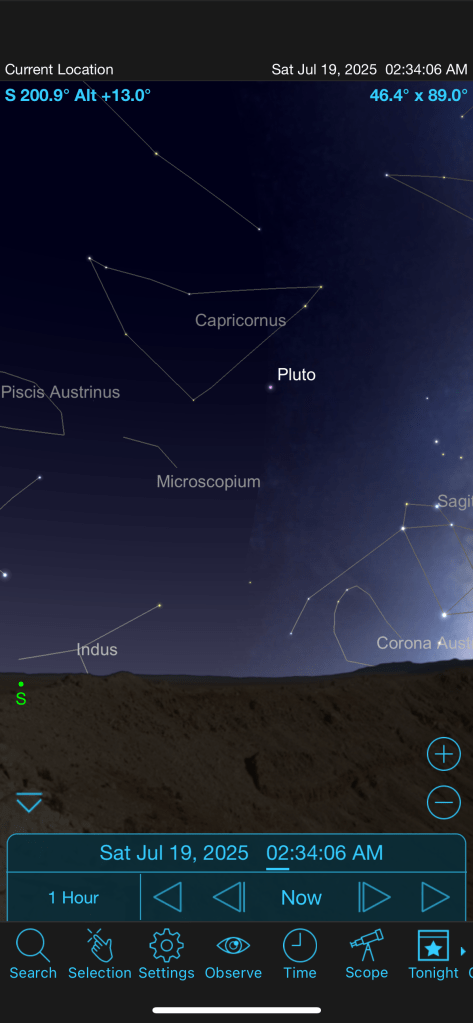
Pluto (14.4): as always will be very difficult to observe, requiring a large telescope and excellent viewing conditions. It will be in the evening sky through the end of 2025, it will be low on the southern horizon. On Nov 24-25, a waxing crescent moon will be nearby.
Bright Galaxies and Nebulas visible
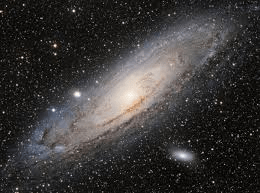
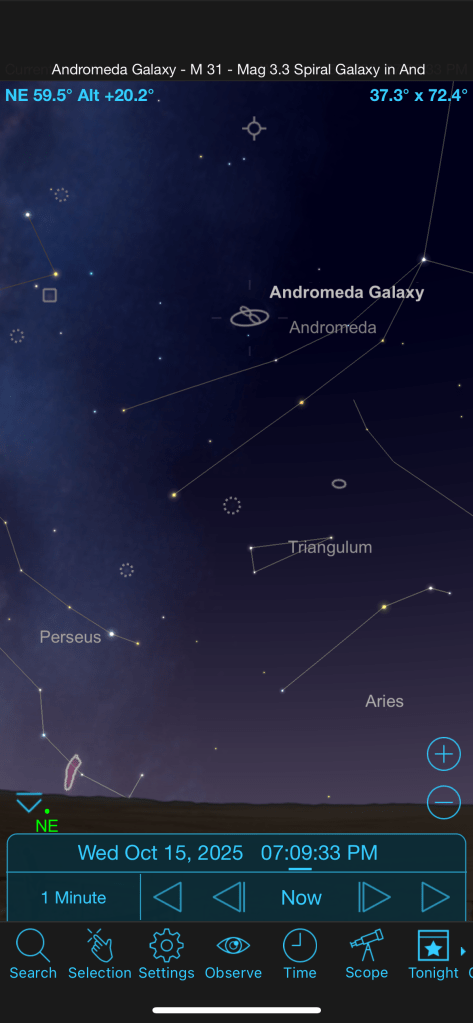
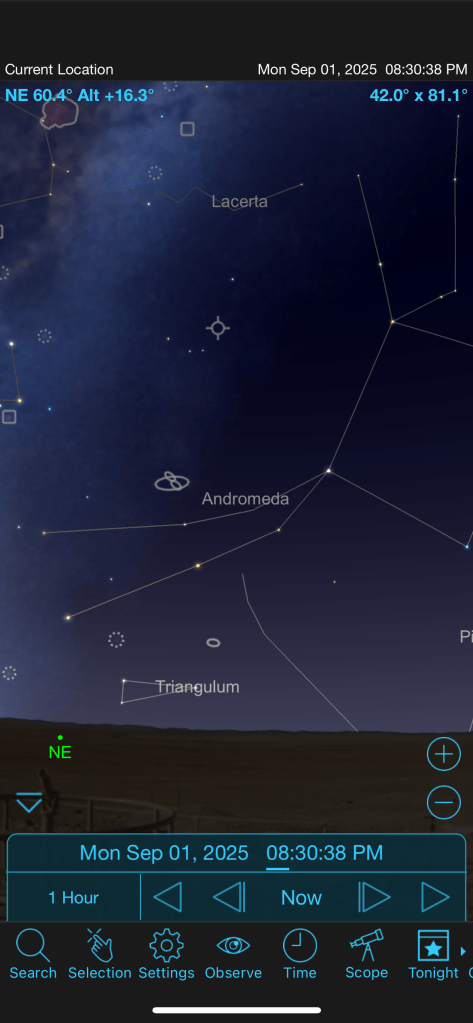
The Andromeda Galaxy (M31): will continue to be highly visible this month. In the Northern Hemisphere, autumn is considered the best time of year to view. It is high in the northeastern sky after sunset and will be overhead around 10pm, by midnight its high in the west and sets by dawn. Though at mag 3.3 and a naked eye object it is easier to seen with a pair a binoculars. You can find it by using the upper part of the “W” shape of the constellation Cassiopeia as a pointer to Andromeda. Under clear, dark skies Andromeda is visible to the naked eye as a fain, fuzzy patch of light.
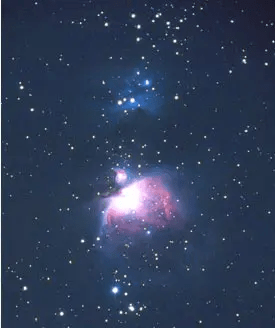
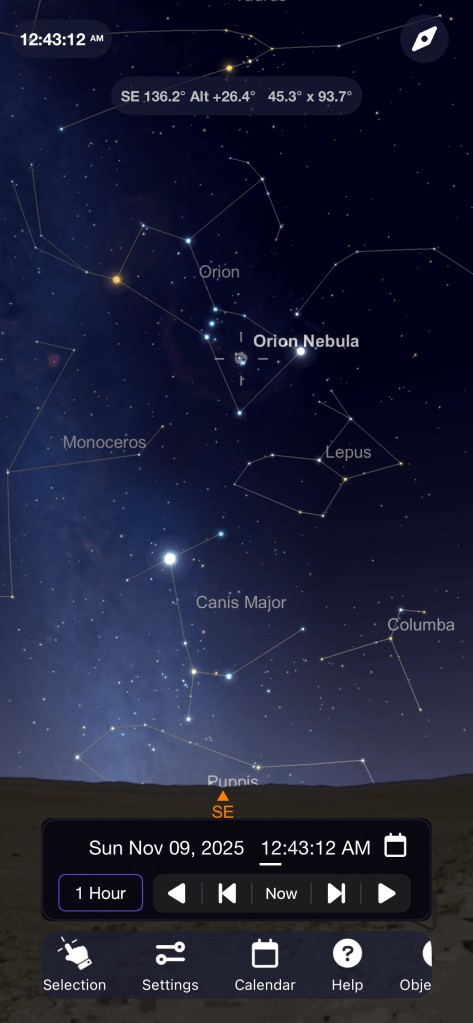
Orion Nebula (M42): will be visible throughout November and best time will be after midnight. As the month progresses the constellation Orion will become visible earlier in the evening. Orion the Hunter is one of the easiest constellations to identify, it is marked by a distinctive belt of three stars in a short, straight row. Below the belt you will see a fainter line of stars hanging down. This is the sword and the Orion Nebula is located within it. At magnitude 4.0, the nebula itself appears as a small, blurry smudge of light in the middle of the sword. A pair a binoculars will provide a much better view, revealing more of the nebula’s structure. A small telescope will show even more including the Trapezium, a cluster of four bright stars at the nebula’s core.
Bright Stars
Aldebaran (mag 1.0) red giant star is the brightest star in the constellation Taurus and is visible on the eastern horizon an hour after sunset.
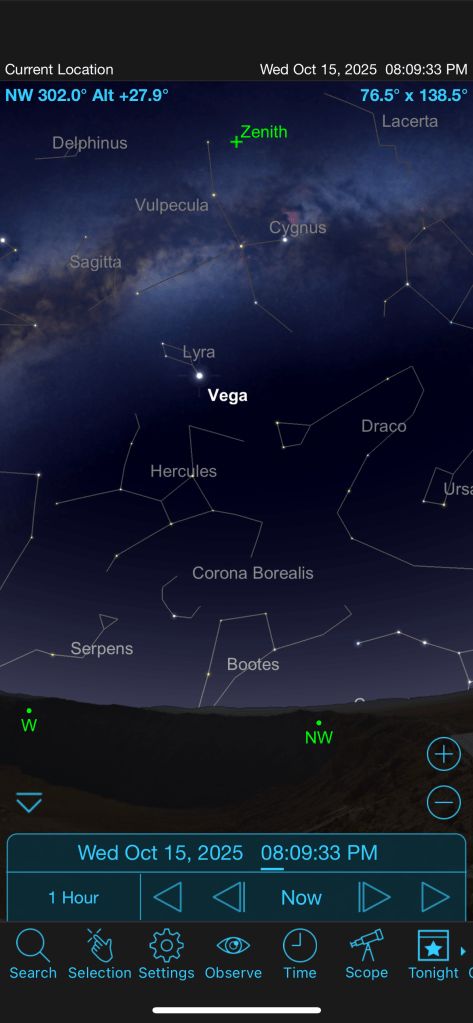
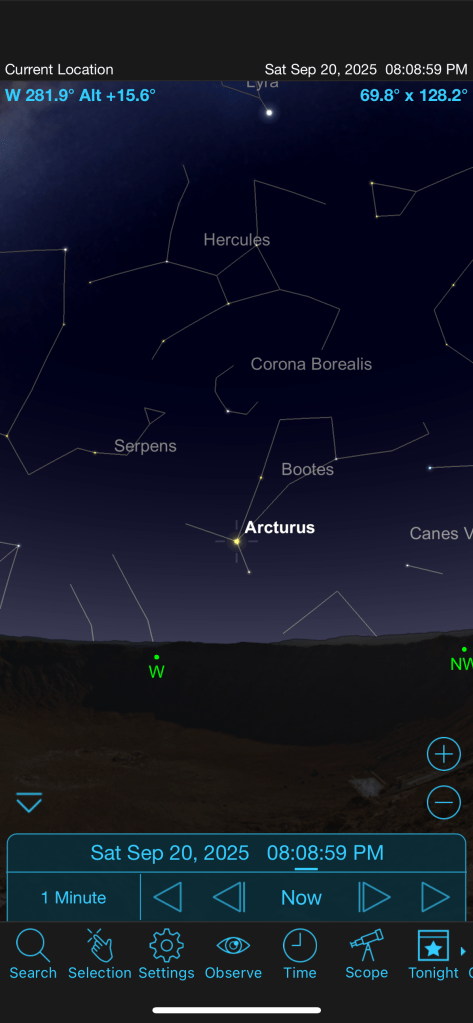
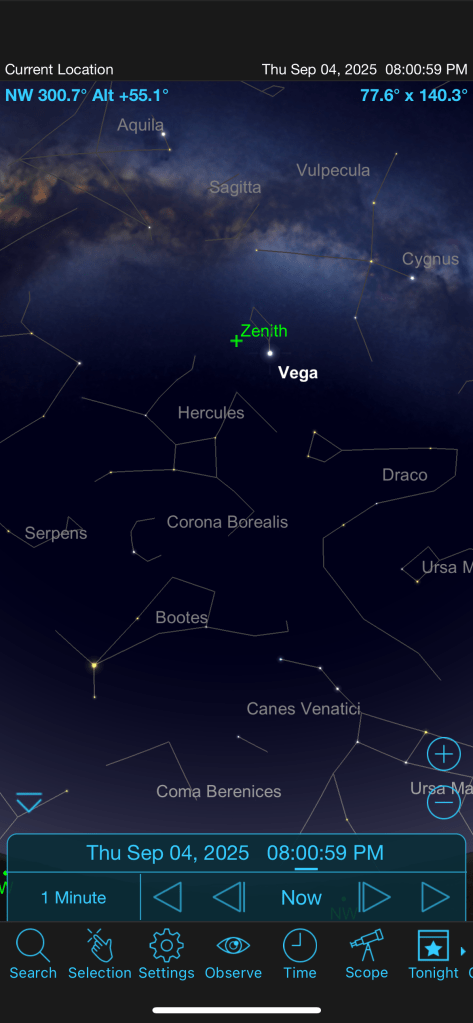
Vega(mag 0.0) bright white star located in the constellation Lyra. It still visible in the west during the evening hours and sets after midnight.
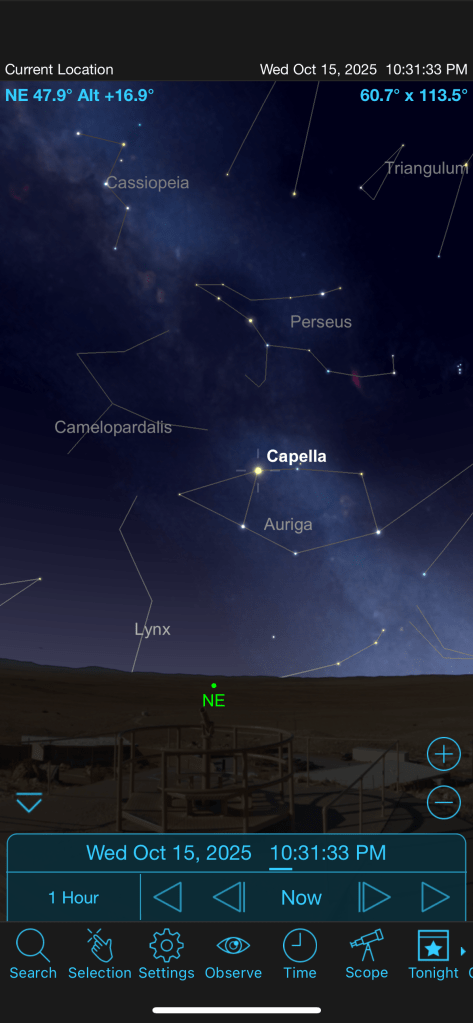
Capella (mag 0.1) bright yellow star located in the constellation Auriga. It rises right around sunset in the northeast sky and is pretty high up after midnight.
Sirius (-1.4) the brightest star in the sky will be visible in the morning hours.
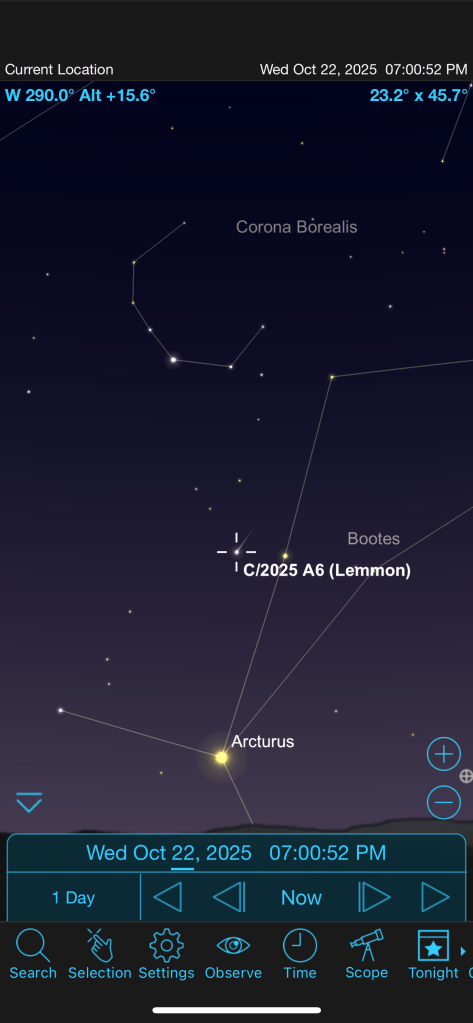
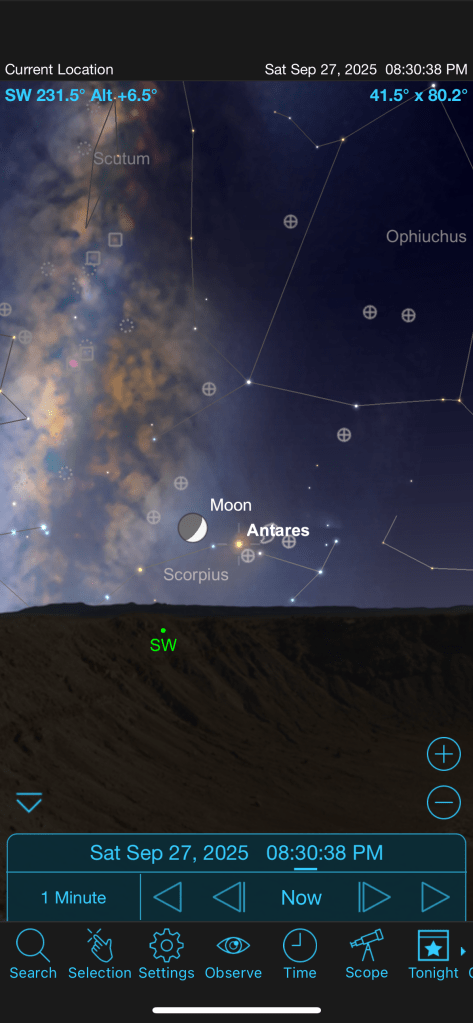
Comet C/2026 A6 Lemmon visible after its closest approach to Earth on October 21. It will reach its closest to the sun on November 8 and may still be putting on a show early in the month, though it visibility should decrease thereafter. In the beginning of November the comet will be visible low in the west southwest located in the constellation Ophiuchus just after sunset.
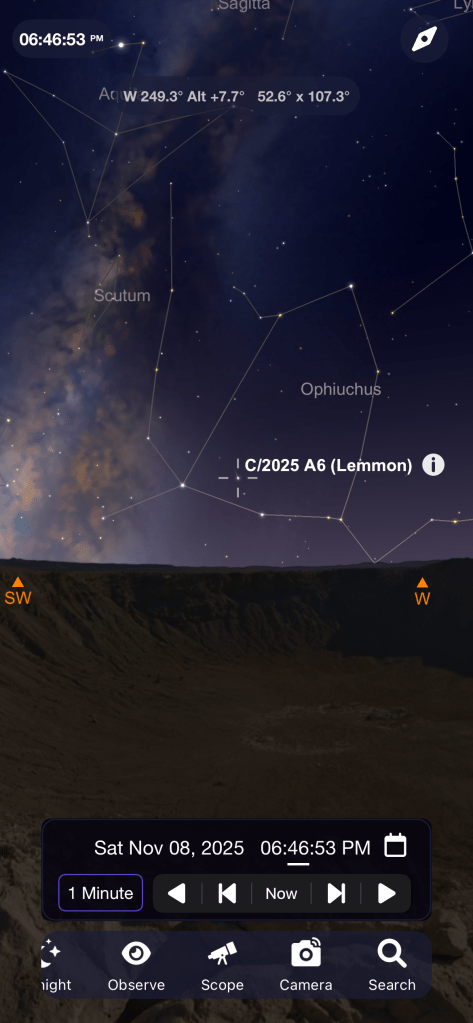
Comet C/2025 K1 (Atlas): will become closest to Earth around November 24-25 and may be visible to the naked eye or with binoculars, especially from darker locations. It will become a circumpolar object toward late in the month when it will be at its best.

Meteor Showers
Leonids
Peak: Around November 17, 2025
Duration: Active from November 6-30
Best viewing: Late night November 16 to dawn November 17
Radiant: In the constellation Leo
Details: Expect up to 10-15 meteors per hour under ideal, dark sky conditions. This years peak will have a favorable new moon, meaning dark skies.
Moon Phases
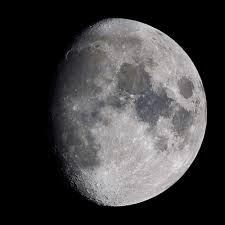
Waxing Gibbous: November 1-4
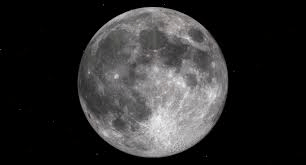
Full Moon: November 5- 6
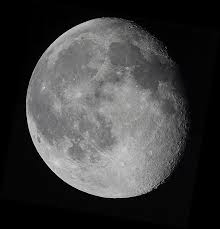
Waning Gibbous: November 7-12
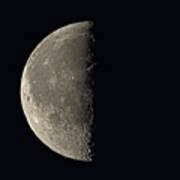
Last Quarter: November 13- 14

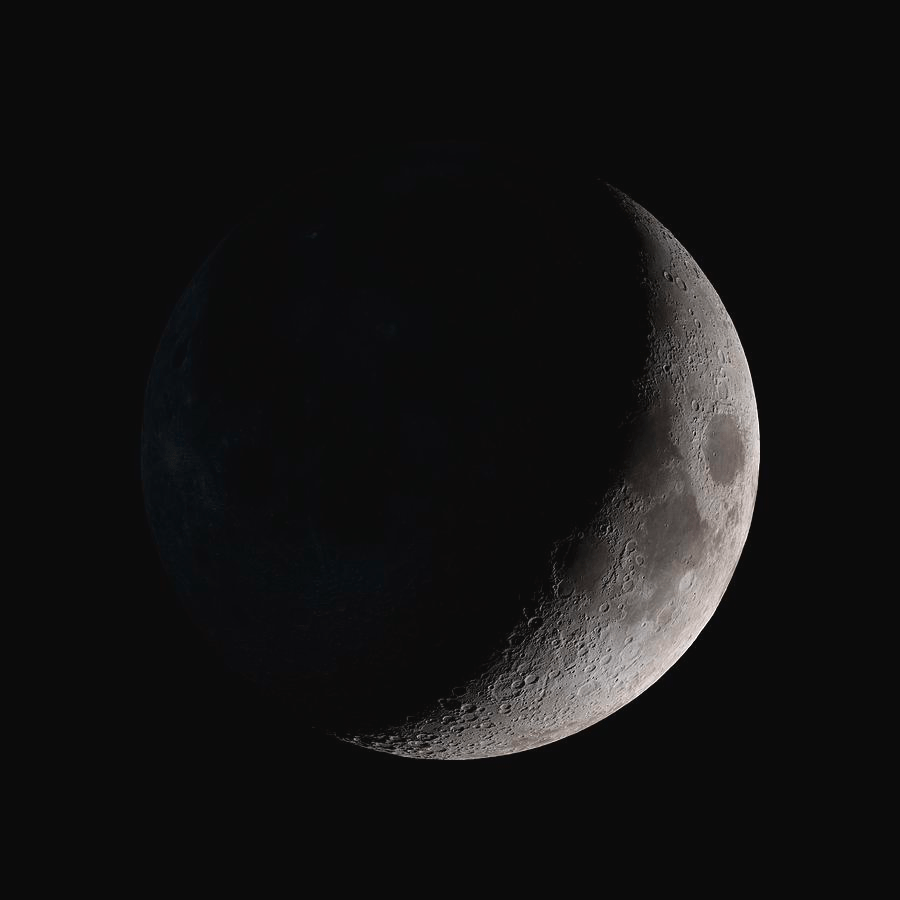
Waning Crescent: November 15-19

New Moon: November 20-21
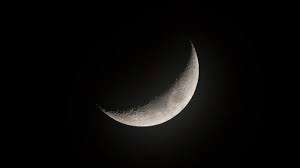
Waxing Crescent: November 22-26
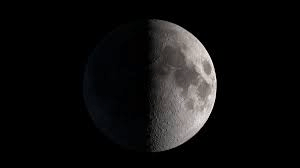
First Quarter: November 27-28
Waxing Gibbous: November 29- 30












 AstroJoe Arizona Monthly Sky Tour