Planets visible
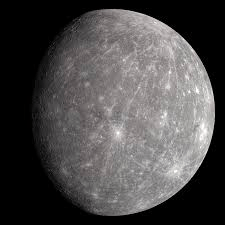
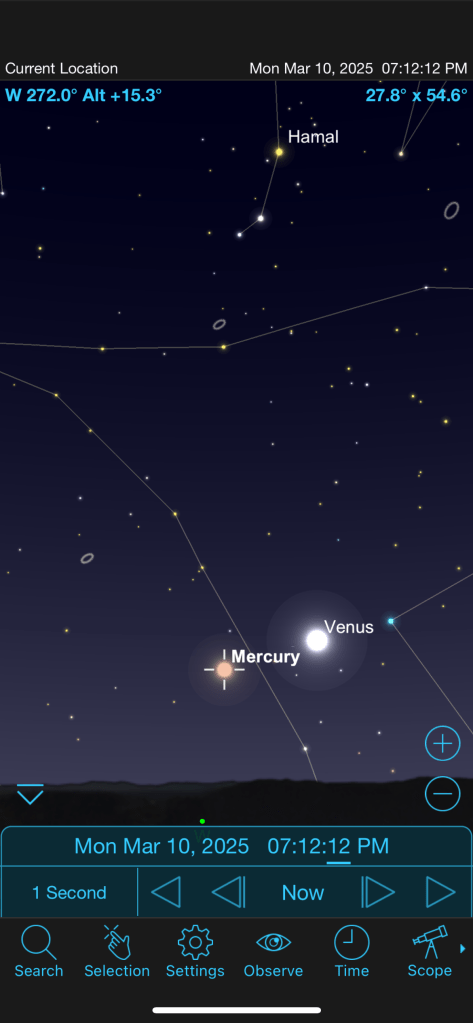
Mercury (mag -0.26) will be at its best evening apparition for the North Hemisphere on the 7 and 8 when it will be 18 degrees high above sunset. It will then head back down toward the horizon after that and be in retrograde motion in the sky from March 14 to April 7.
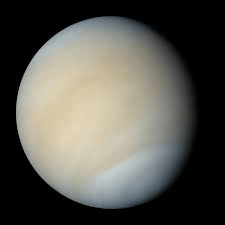
Venus (mag -4.4 )will be visible in the evening sky early in the month but quickly sink towards the sun glare reaching inferior conjunction by March 22. It will then emerge in the morning sky next month.

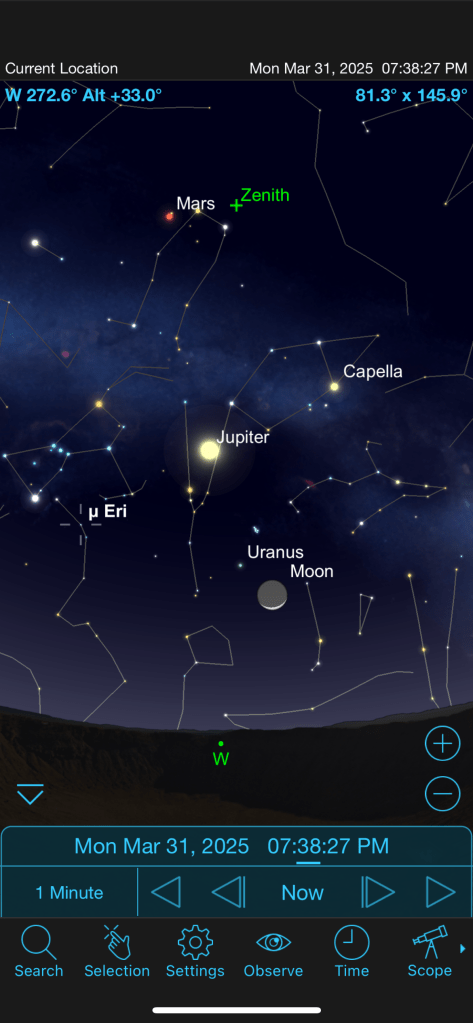
Jupiter (mag -2.09) will be visible for most of the month high overhead during the evening. By the end of the month it will gradually start to sink toward the western horizon.

Mars (mag -0.23 to 0.45) will continue to be visible high up in the evening sky. It will now however be dimming and shrinking in size compare to what is was in January at opposition.
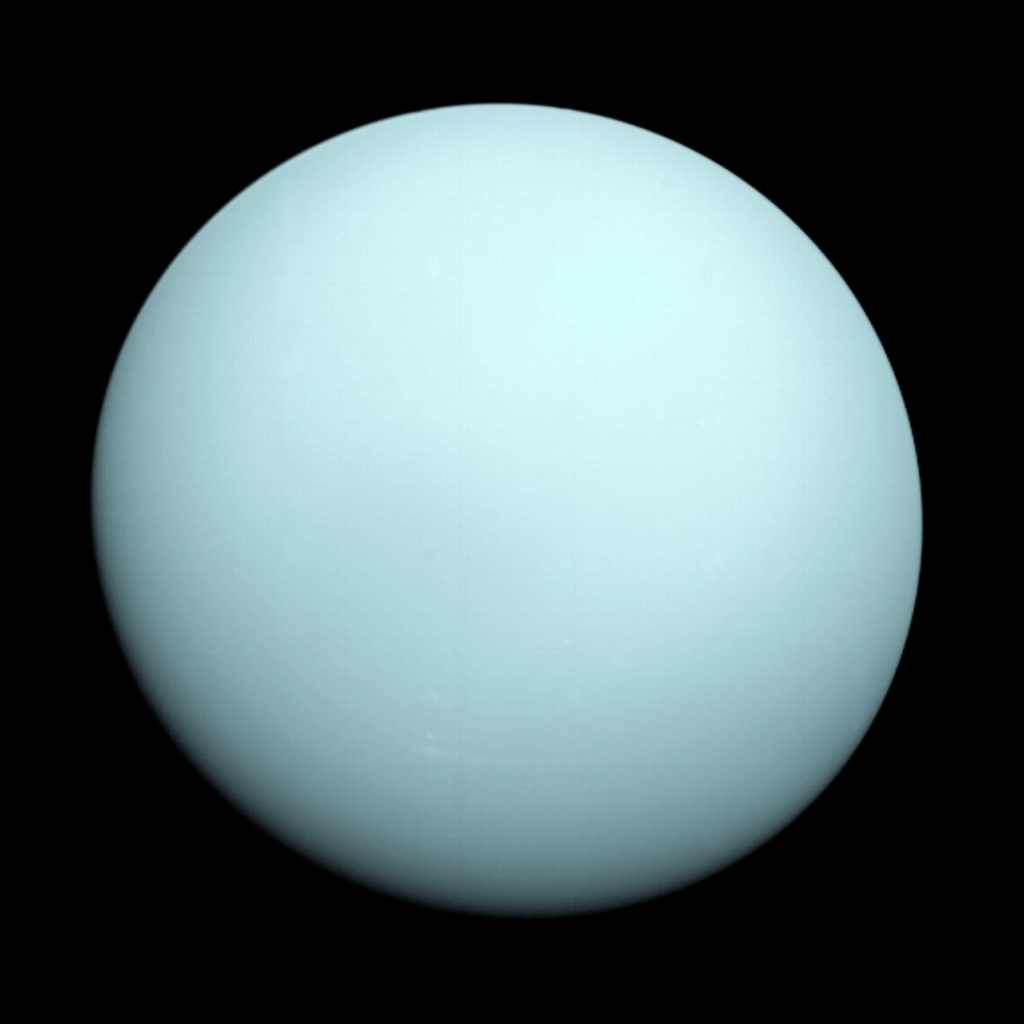
Uranus (mag 5.8) will be visible in the evening sky but you’ll need binoculars and telescope to see it. Located in the constellation Taurus it is best seen after sunset when sunlight has completely faded.

Bright Galaxies and Nebulas visible
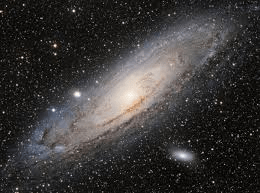
The Andromeda Galaxy (M31): a good target to spot in the early evening for the first part of the month. Viewed best with a telescope but even with binoculars in a dark area. It appears as bright fuzzy ball at around mag 3.4. By mid to late month it will lost in the evening sky but seen in the north eastern sky in the morning.
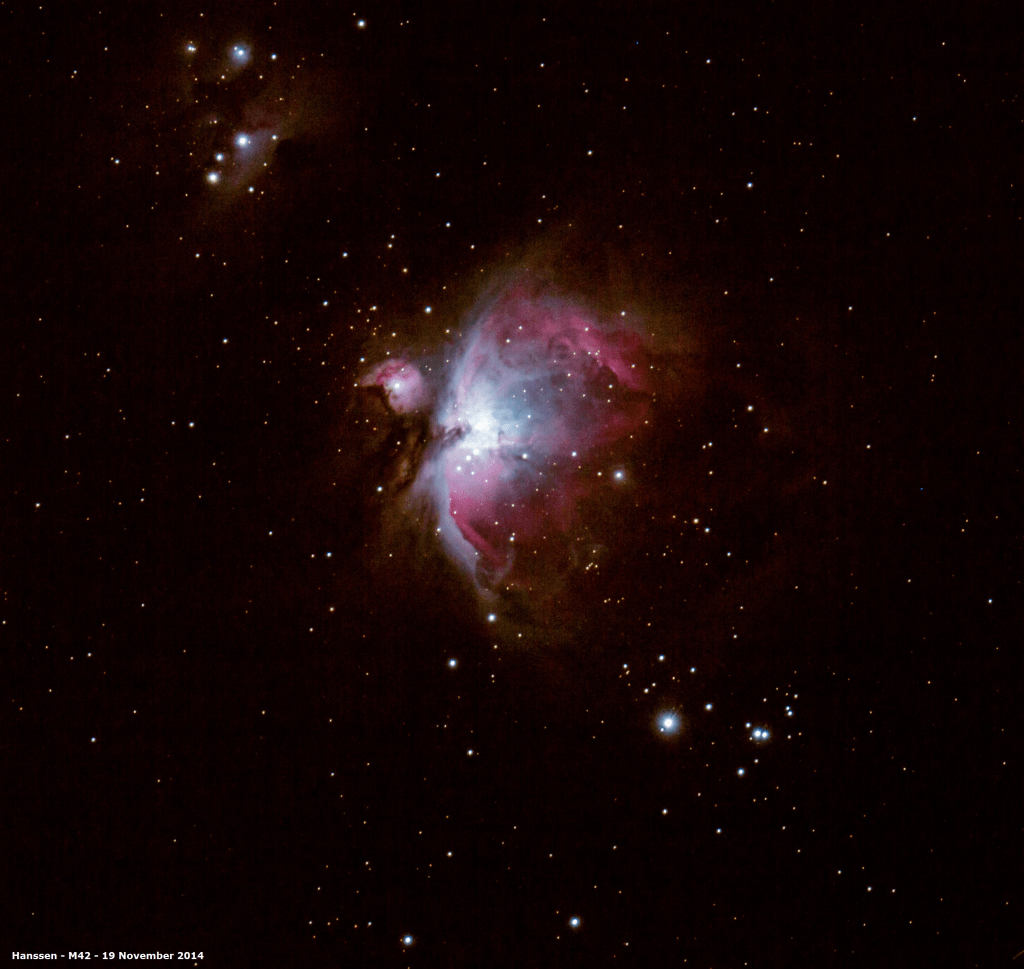
Orion Nebula (M42): remain visible in the sky starting high in the southwest early in the month but gradually moving westward and becoming lower in the horizon later in the month. At around mag 4 it is located in the great Orion constellation, Best viewed with binoculars and even small telescopes.
Bright Stars
Capella( mag 0.05): a double star in the constellation Auriga will be visible high in the west right after sunset.
Aldebaran(mag 0.85): bright orange known as the eye of Taurus will be visible in the west after sunset.
Sirius(mag -1.45): brightest star in the sky, located in the constellation Canis Major will be visible in the southern sky in the evening hours.
Meteor Showers
None visible in the Northern Hemisphere
Comets visible
29P/Schwassman-Wach-mann 1(mag 13):all night object
C/2022 E2(Atlas)(mag13): all night object
C/2023 A3 (mag 12): Great comet of 2024 still visible in the morning
Moon Phases
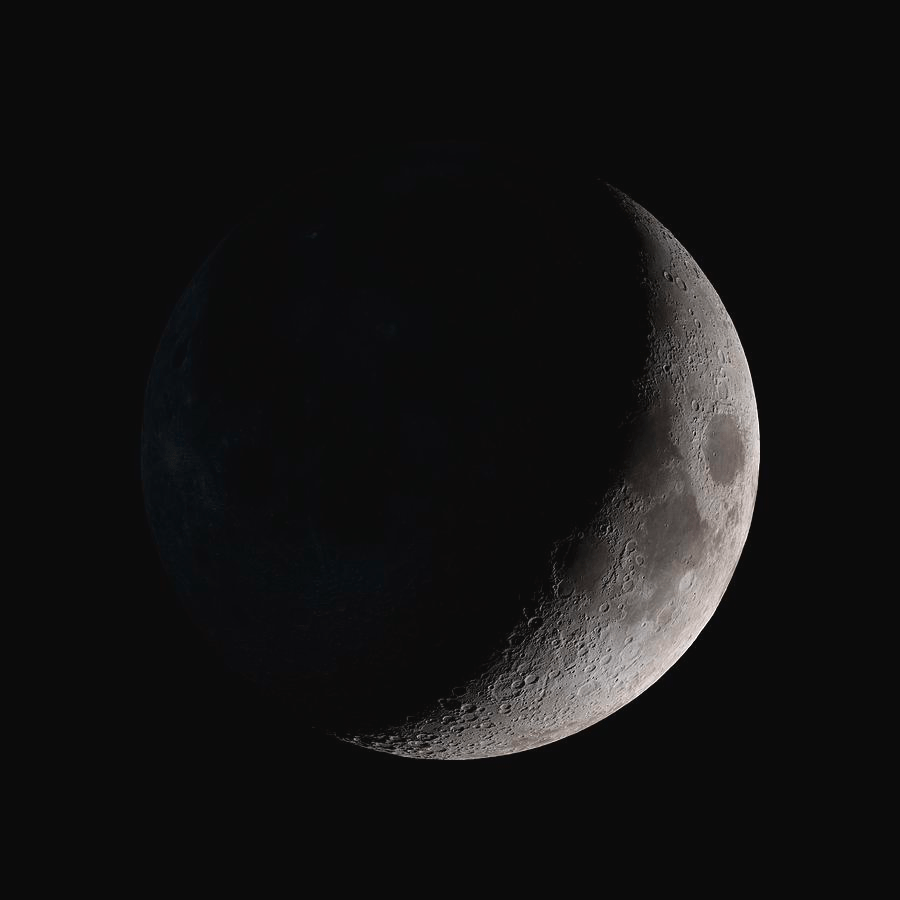
Waxing Crescent: March 1-5
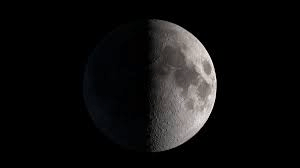
First Quarter: March 6-7
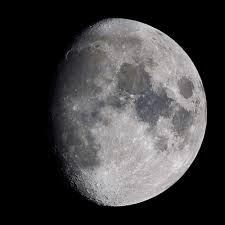
Waxing Gibbous: March 8-13
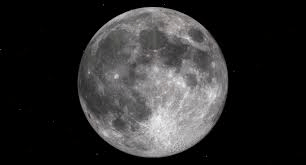
Full Moon: March 14 (Total Lunar Eclipse)
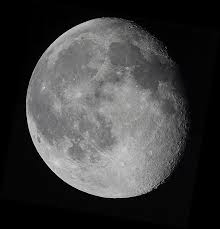
Waning Gibbous: March 15-20
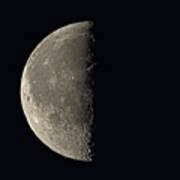
Last Quarter: March 21-22

Waning Crescent: March 23-28

New Moon: March 29
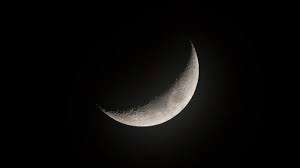
Waxing Crescent: March 30-31
Total Lunar Eclipse on March 13/14
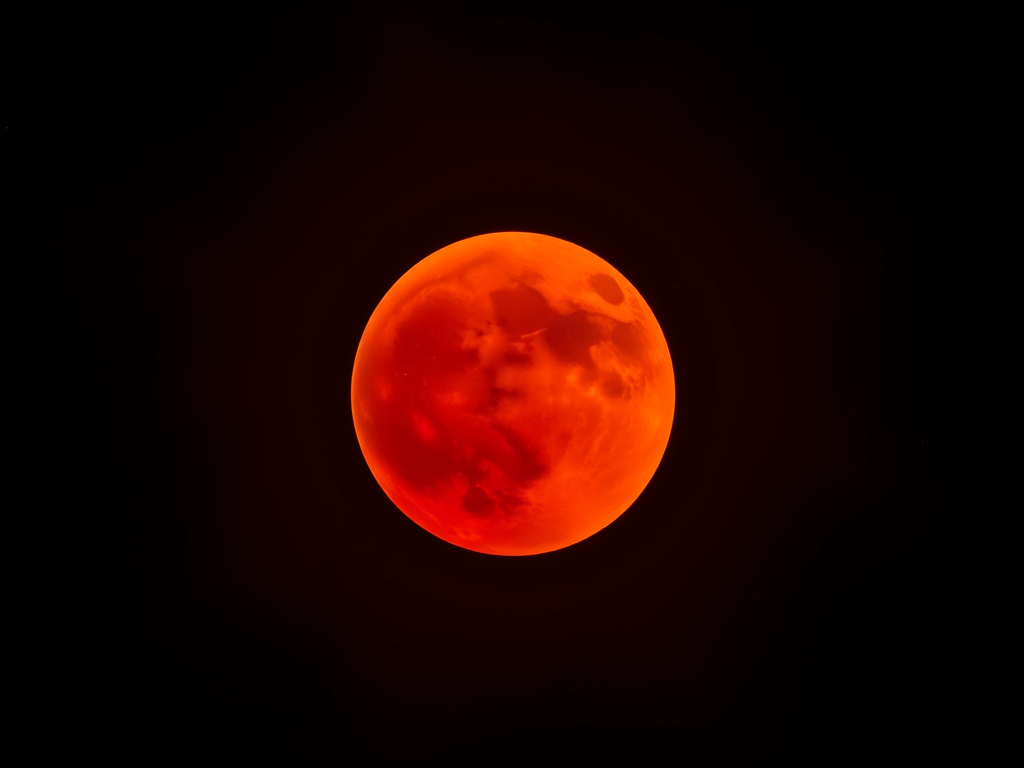
On March 13-14 there will be a total lunar eclipse visible in the United States and around the world.

In Arizona the whole event will be visible
- Penumbral begins at 8:57pm on Thursday the 13
- Partial eclipse begins at !0:09pm
- Total eclipse begins at 11:26pm
- Maximum (100% covered) 11:58pm
- Total eclipse ends at 12:31am on Friday 14
- Eclipse ends at 3:00am

Live View of the Eclipse
Upcoming SpaceX Lauches from California seen from Arizona (will be updated frequently due changes). Launch usually has to be around 30 mins to an hour after sunset or before sunrise to be visible here in Arizona.
Update March 12
No launches schedule to be visible at the moment
Here is one of my best videos of a classic Space X launch here in Arizona
 AstroJoe Arizona Monthly Sky Tour