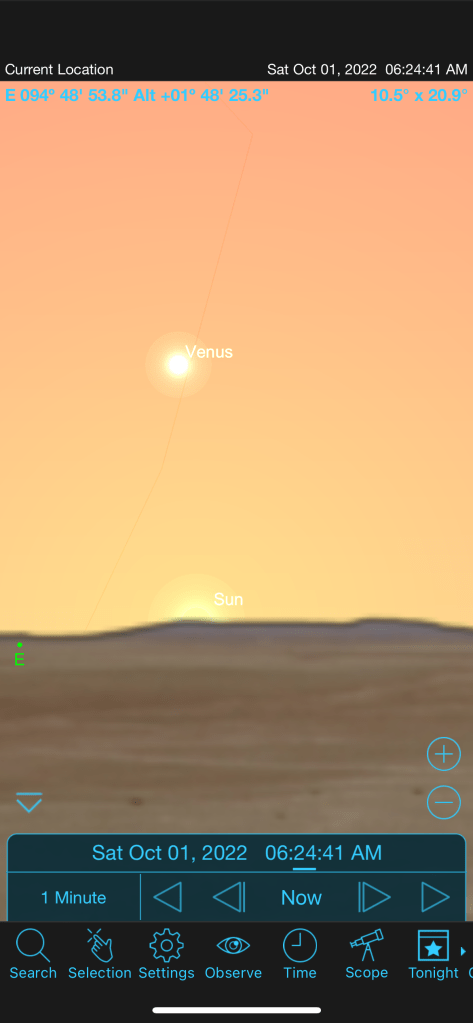
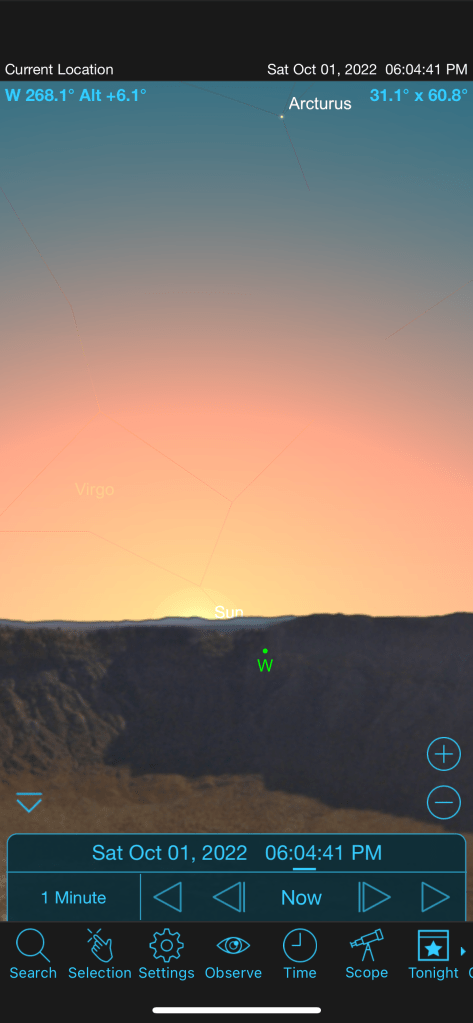
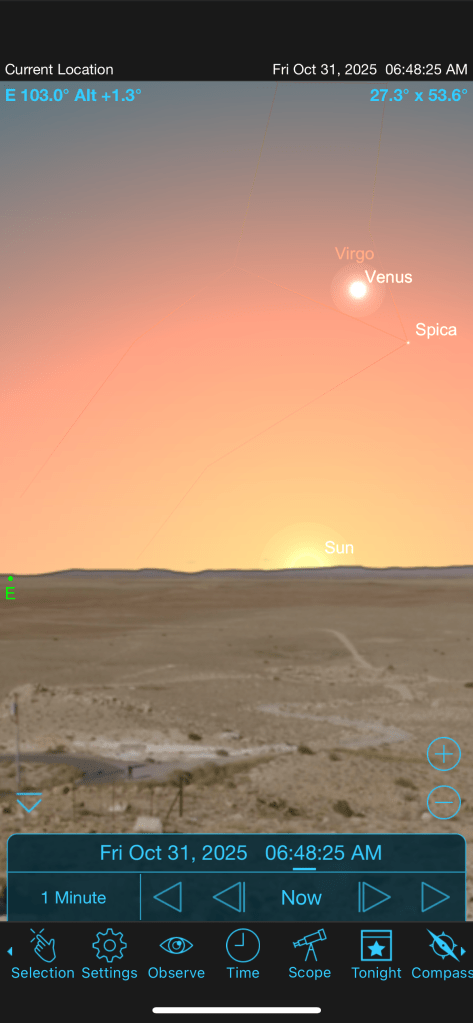
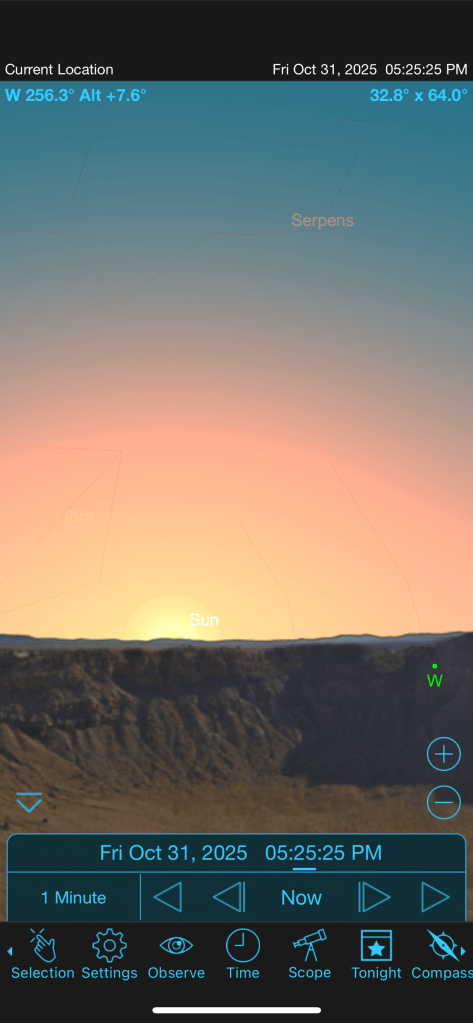
Sunrise in Mesa, Az the first few days of October will be around 6:23am and sunset around 6:11pm. As the month progresses, the sun will rise slightly later and set slightly earlier. By the end of the month we will see the sunrise around 6:45am and sunset around 5:35pm.
Sunrise early in the month
Sunset early in the month
Sunrise late in the month
Sunset late in the month
Planets visible
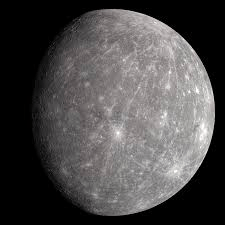
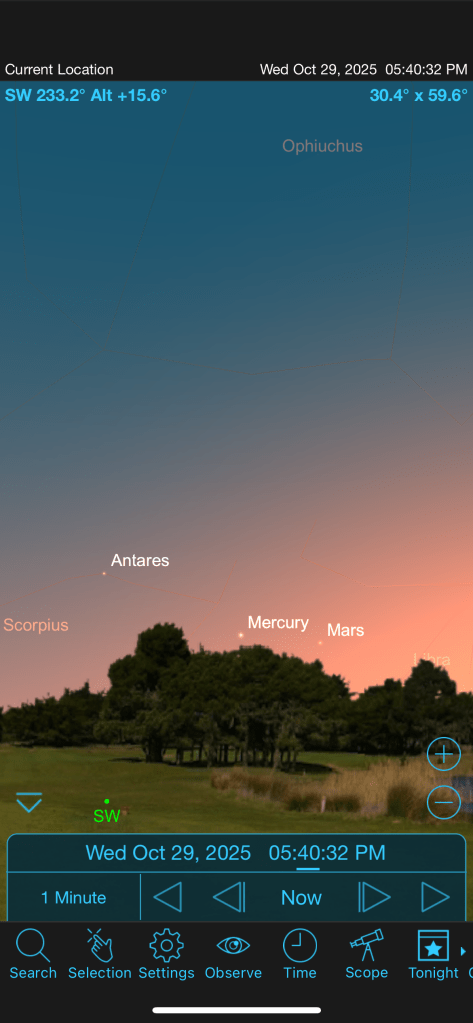
Mercury (mag -0.5 to -0.1): will be visible this month especially at the end of the month. On October 29, it will reach its greatest elongation. Look for it in the western evening sky after sunset where it will be at its highest point for the month. However, it will only be about 7 degrees above the horizon, so you may need binoculars to spot it.
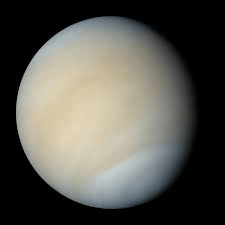
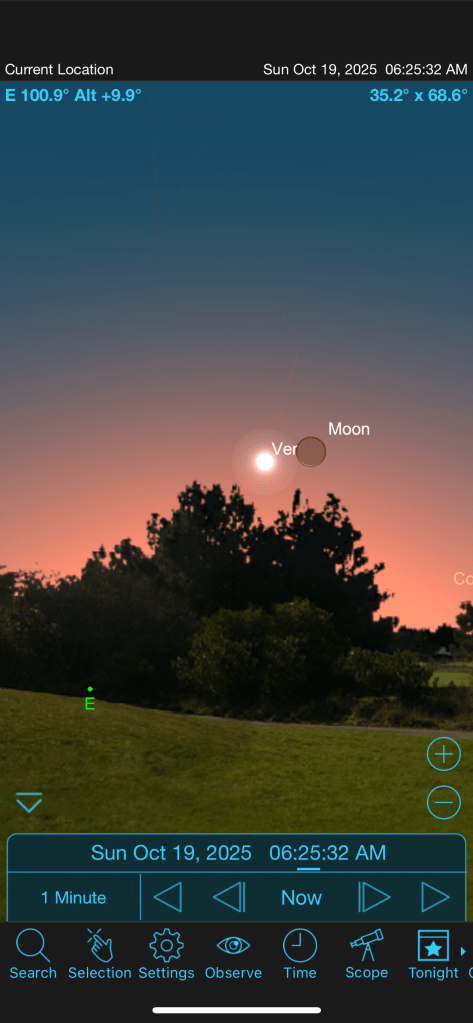
Venus (mag -3.9 ): is visible very early in the morning sky right before sunrise. You can expect to see it in the eastern sky all month until late November. It will be particularly bright around October 19 when it will be closely by the waning crescent Moon.

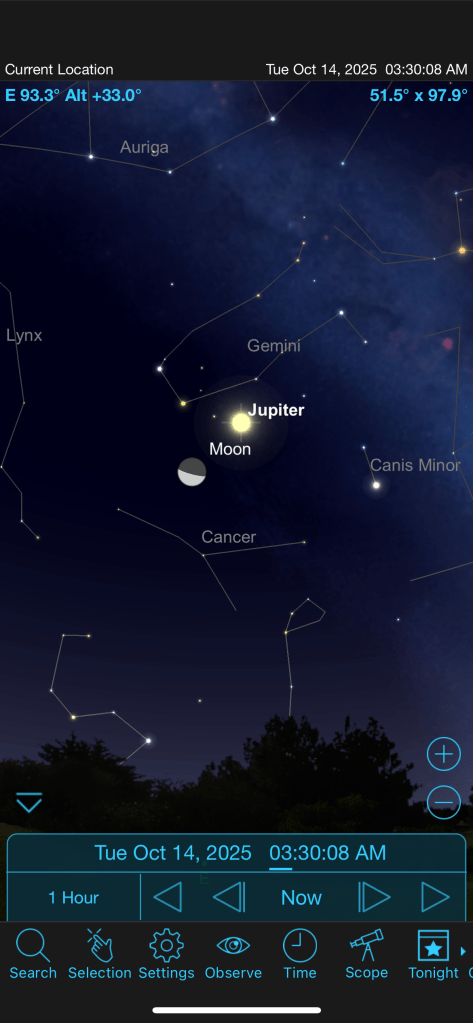
Jupiter (mag -2.1 to -2.3): visible as a bright star in the morning sky in the constellation Gemini. It will be in the eastern sky rising around midnight. Jupiter will be a very brilliant object, easy to spot even with the naked eye. However a small telescope will show Jupiter’s cloud bands and possible the Great Red spot. The last quarter Moon will pass closes between Oct 13-14 forming a pretty gathering with Pollux and Castor.
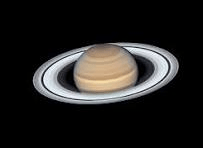
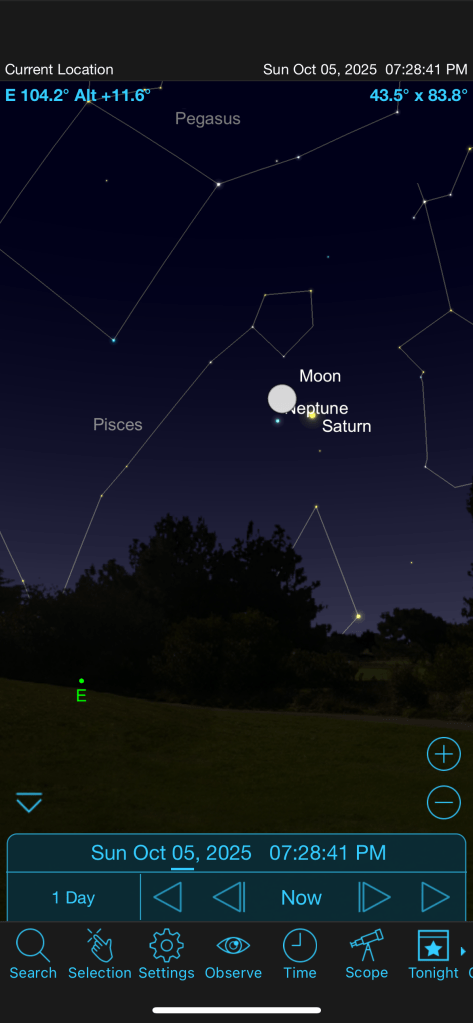
Saturn (mag 0.7 to 0.9): will be visible to the southeast after sunset, although its rings still appear nearly edge-on. As it was on its brightest and closest last month it still a good viewing target throughout October. Easily observe with the naked eye but even better with binoculars and a telescope. On Oct 5 the full Moon will pass close by. Also late night on the 5/6 will be the last chance to see Titan shadow transit Saturn.

Mars (mag 1.6): will be visible extremely low right after sunset in the west southwest sky. It will drift lower and lower as the month goes on and only be out for a short window. It will be very hard to see with the naked eye since it will be pretty close to the horizon and in the twilight sky. On the evening of the 19, it will be close to Mercury located in the constellation Libra.
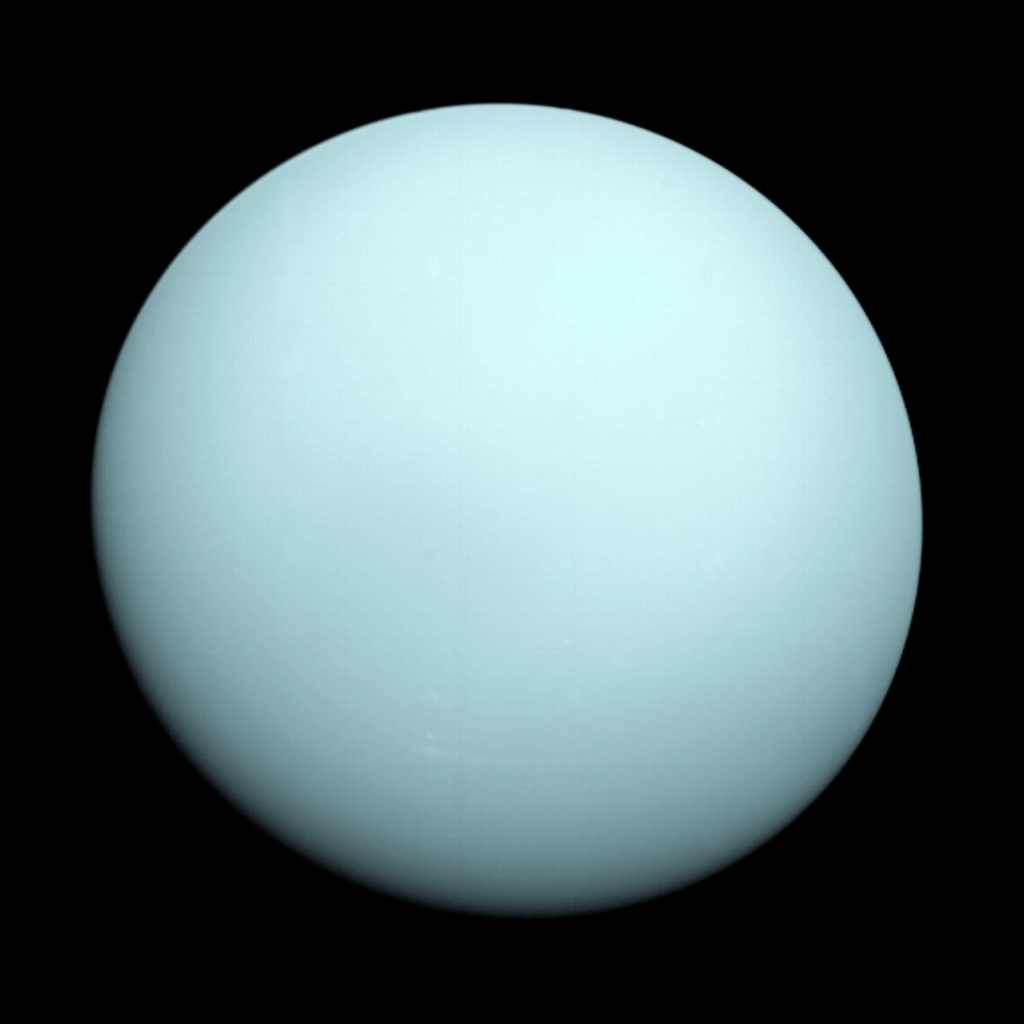
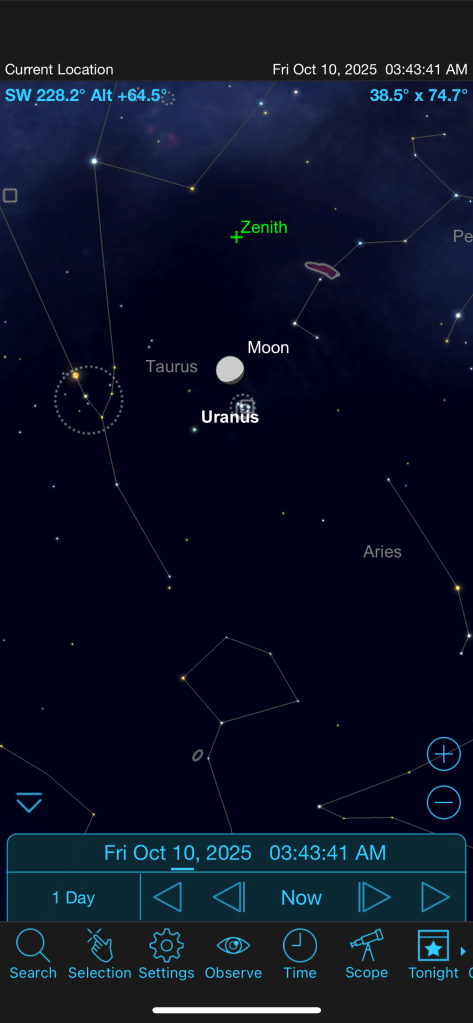
Uranus (mag 5.6 ): will be visible in the morning sky between the Hyades and Pleiades star cluster in the constellation Taurus. On Oct 10, the waning gibbous moon will join the pair. Uranus will be very faint, but it may be possible to glimpse it with the naked eye under really dark sky conditions. It will be its brightest around opposition in November which will extend into December. Binoculars and or telescope are recommended for the best view, even under dark skies.
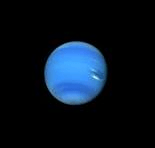
Neptune (mag 7.8): will be visible in the evening sky in the southeast throughout the month of October. It will remain out for almost the entire night. Having just past opposition last month it still remains at its brightest the entire month. However, Neptune is a faint and will require binoculars or a telescope to see it. It will be located this month in the constellation Pisces. On the night of Oct 5, a nearly full Moon will be just to the north of Neptune.


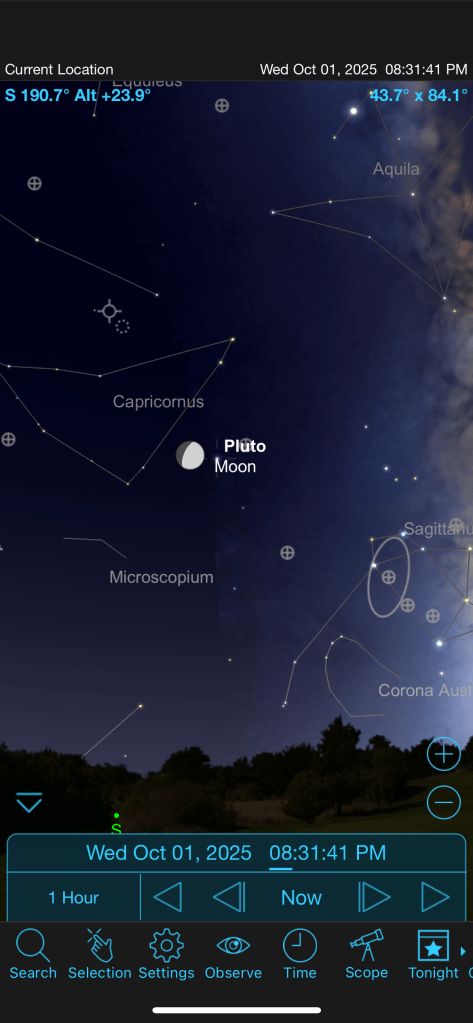
Pluto (14.4): will be situated low in the south in the evening sky. It is located in the constellation Capricornus however it almost impossible to see. Pluto is a dwarf planet and needs special equipment such as a powerful telescope and knowledge of its location to see it. The waxing gibbous Moon will be nearby to the left on the 1st.
Bright Galaxies and Nebulas visible
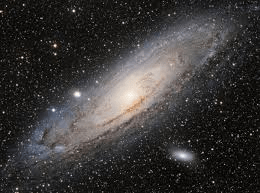
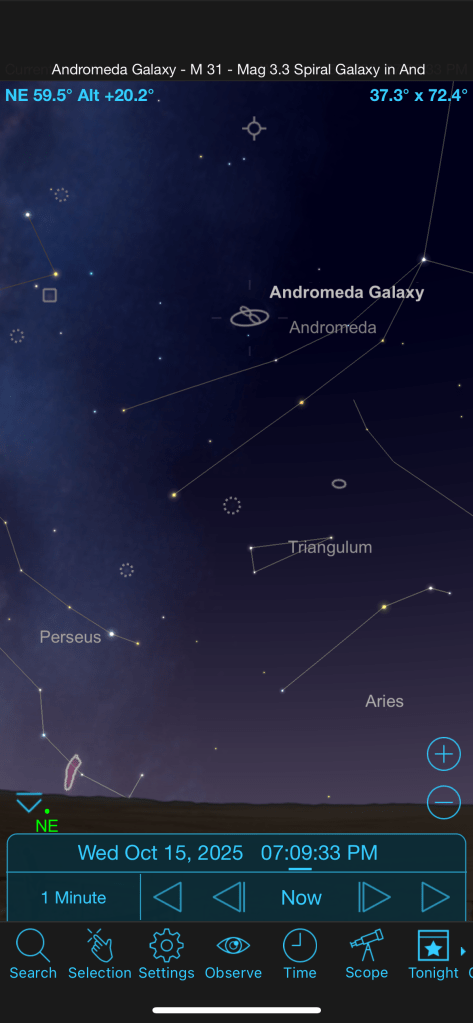
The Andromeda Galaxy (M31): will continue to be highly visible this month. In the Northern Hemisphere, autumn is considered the best time of year to view. It is high in the eastern sky at nightfall in early October, swings overhead around midnight, and is high in the western sky by dawn. Though at mag 3.3 a naked eye object it is better to seen with a pair a binoculars. You can find it by using the upper part of the “W” shape of the constellation Cassiopeia as a pointer to Andromeda. Under clear, dark skies Andromeda is visible to the naked eye as a fain, fuzzy patch of light.
Bright Stars
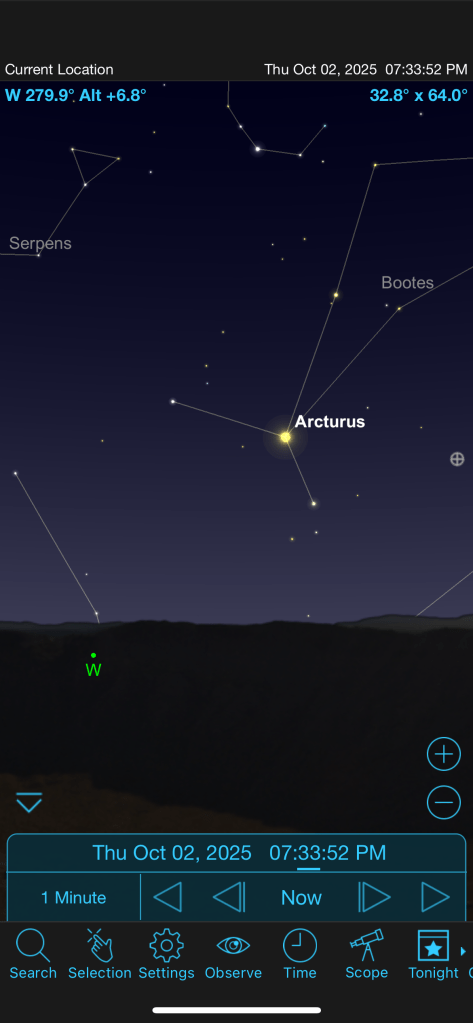
Arcturus(mag 0.2): bright orange looking star, located in the constellation Boötes. It will be visible after sunset low in the west northwest sky. In the beginning of the month its sets around 8pm but as the month goes on it will set earlier and earlier.
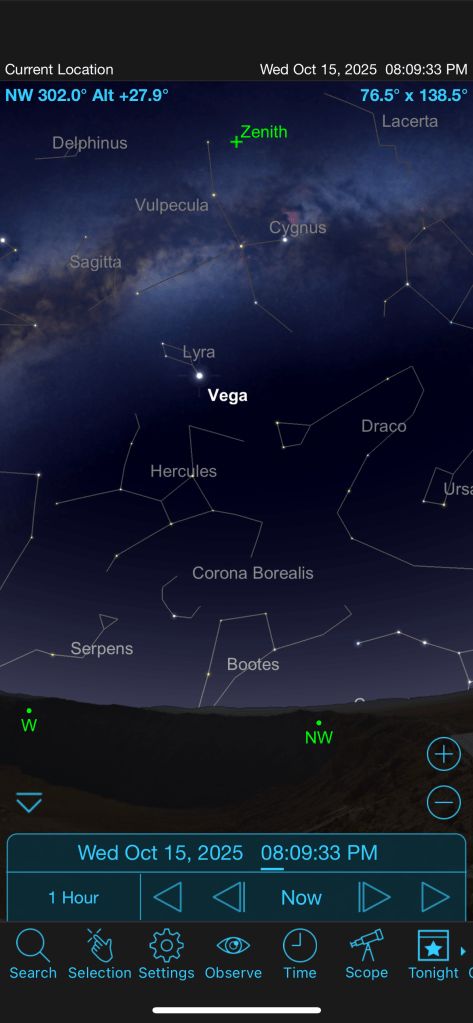
Vega(mag 0.0) bright white star located in the constellation Lyra. It will be visible high up after sunset fades and out all night until around 1am.
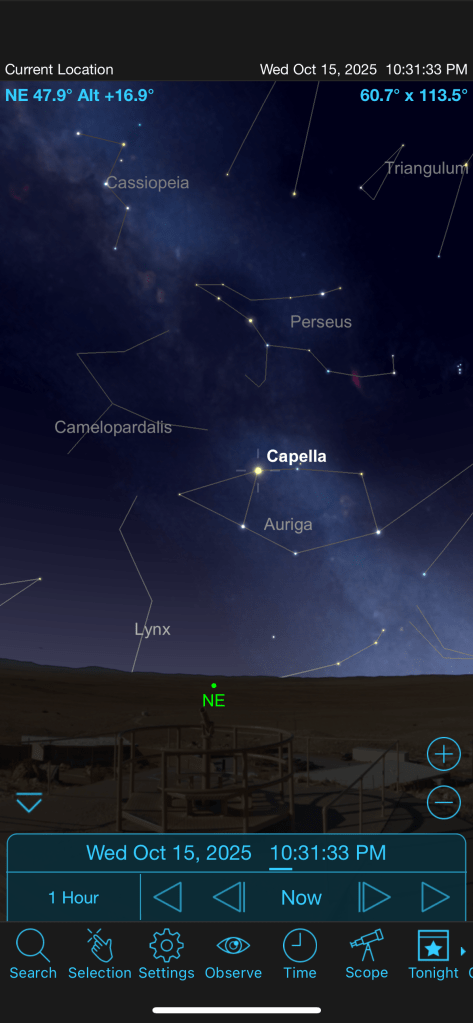
Capella (mag 0.1) bright yellow star located in the constellation Auriga. It rises around 8pm. in the northeast sky and is pretty high up after midnight.
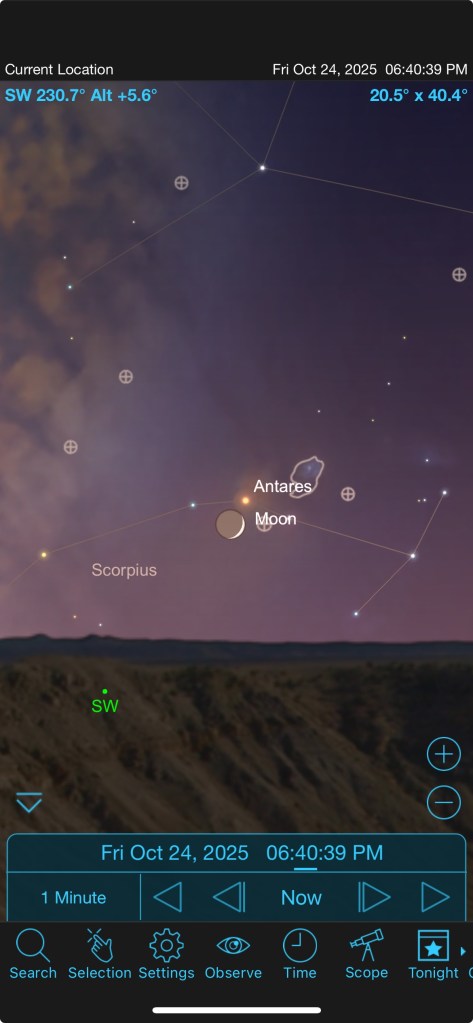
Antares(mag 1.1) bright orange-red star, located in the constellation Scorpius. It will be visible very low in the southwest after sunset and sets below the horizon after 7pm. On Oct 24, it will be very close to the the waxing crescent Moon.
2 Comets Visible this month
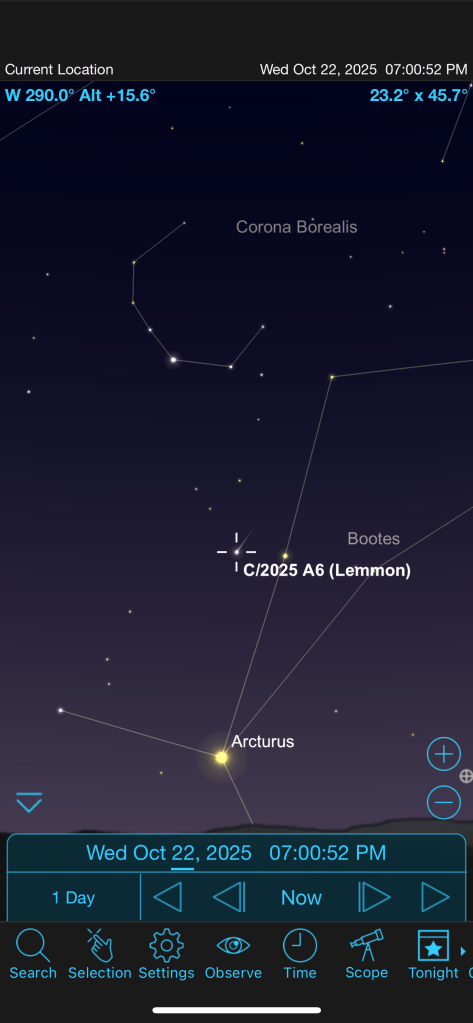
Comet C/2026 A6 Lemmon visible after sunset will be near its closest approach to Earth on October 21. It may be seen with the naked eye in dark skies or easily binoculars potentially shining around magnitude 4-5 .The comet will be low in the western sky for several days around this time. To find it use the bright star Arcturus as a guide. The comet will be about 10 degrees above it on October 22, near the star Izar in the constellation Bootes.
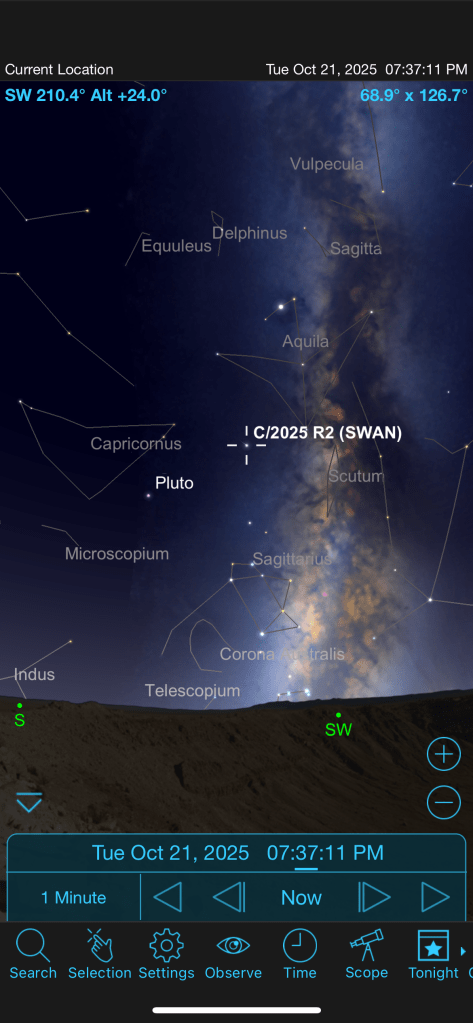
Comet C/2025 R2 SWAN is newly discovered long period comet that became visible in September 2025 and is expected to be at its brightest around October 20-23, potentially reaching naked eye visibility. It is currently best viewed in the southwest about 45 minutes after sunset, moving through the constellation Libra towards Ophiuchus, and may trigger a small meteor shower around October 5.
Meteor Showers
Orionid
Peak: October 21-22, 2025
The peak falls on a new moon, so there will be no moonlight to interfere, making it ideal for viewing.
What to expect: Up to 20-25 meteors per hour, some of which can be bright and leave glowing trails.
Best time to watch: After midnight until dawn.
Moon Phases
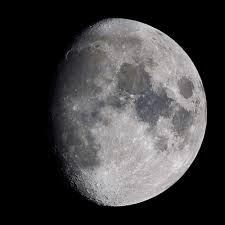
Waxing Gibbous: October 1-5
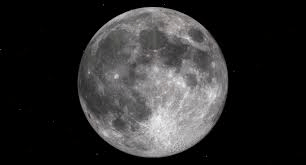
Full Moon: October 6
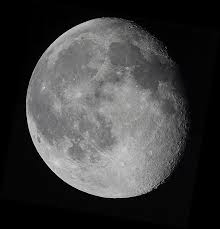
Waning Gibbous: October 7-14
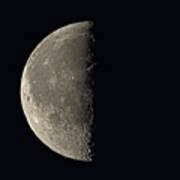
Last Quarter: October 15

Waning Crescent: October 16-20

New Moon: October 21-22
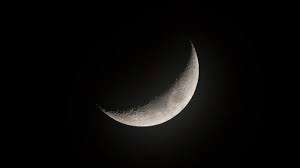
Waxing Crescent: October 23-27
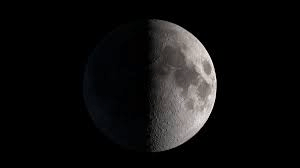
First Quarter: October 28-30
Waxing Gibbous: October 31
Catch the last chances to see Titan’s shadow glide across Saturn!
 AstroJoe Arizona Monthly Sky Tour
Leave a comment