Planets visible
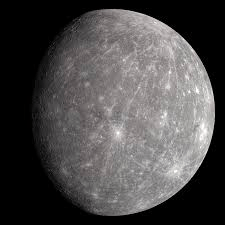
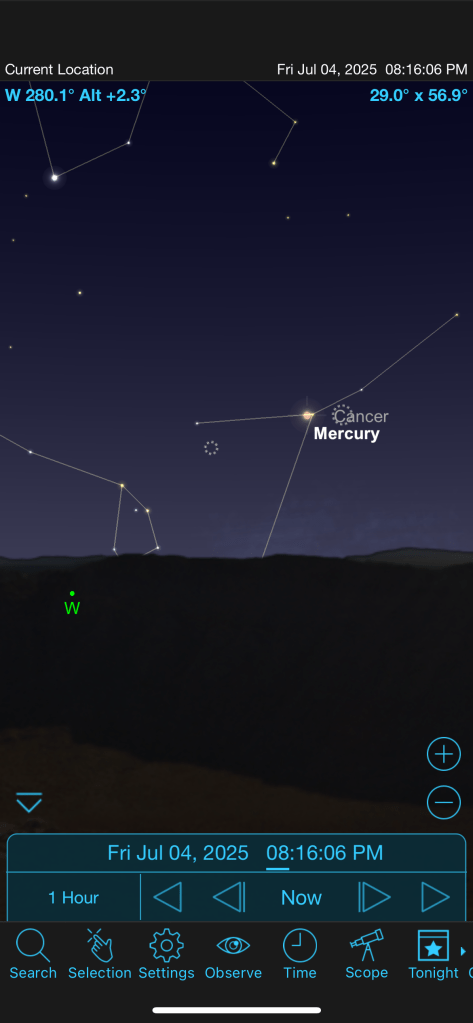
Mercury (mag 0.4 to 4.8): will be visible in the early evening in the western sky. On July 4, it will reach its greatest elongation about 26 degrees out from the sun. Look west in the direction of sunset just after sunset. By mid month Mercury will head back down toward the horizon and get lost in the sun glare. Mercury will spent most of the month in the constellation Cancer.
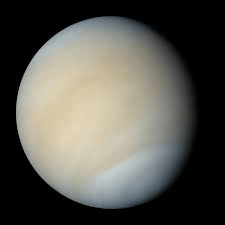
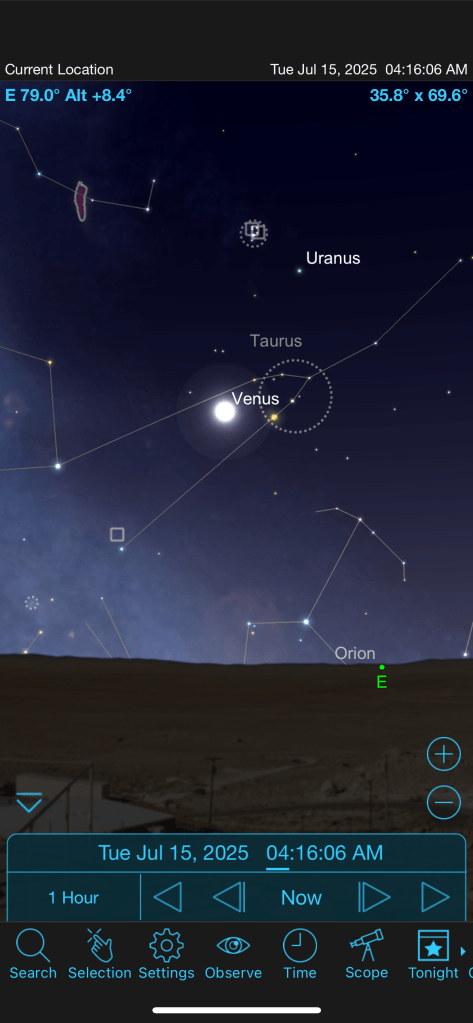
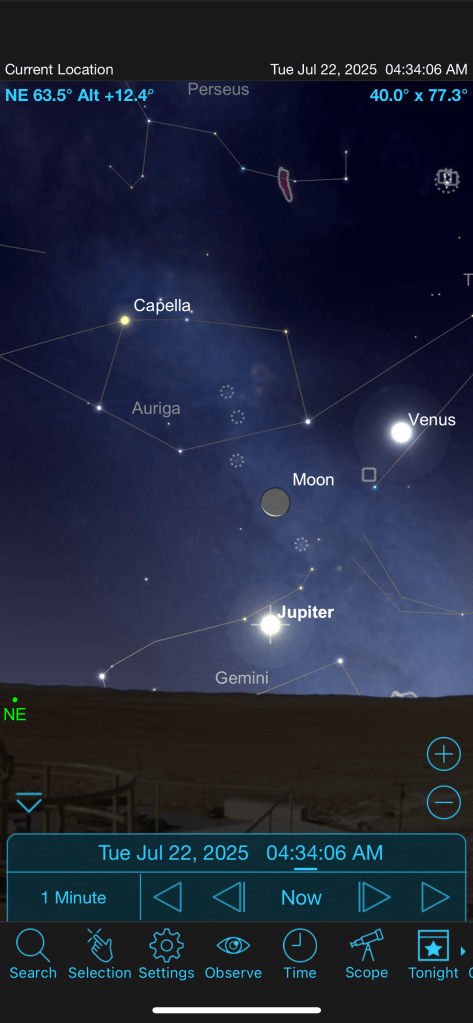
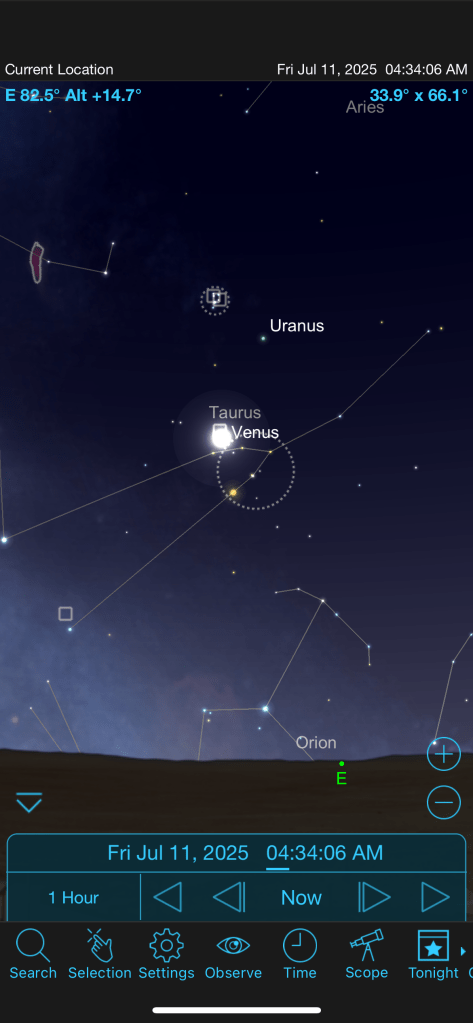
Venus (mag -4.1 to 4.0 ): visible still in the early morning sky rising about 2 hours before sunrise. Venus reaches its greatest morning visibility by mid July after that it will begin a slow decline and rising later each morning. On July 7-11 Venus will glide between the Pleiades and the Hyades. On July 21 and 22 the waning crescent moon will be close by.

Jupiter (mag -1.9 ): after disappearing from the evening sky in early June it emerges in the morning sky by mid July. It will appear in the east northeast sky before sunrise. On July 23 a very thin waning crescent will be close by. Jupiter will be located in the constellation Gemini.
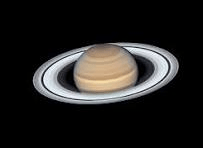
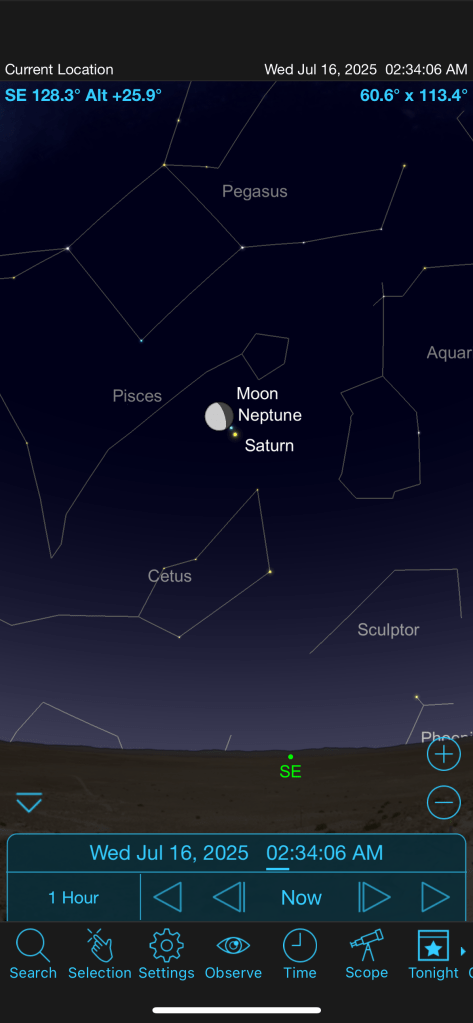
Saturn (mag 1.0 to 0.8 ): early in July rises in the east after midnight and will become more prominent as the month progresses. It will be close to Neptune all summer long in the constellation Pisces. On July 16 a waning gibbous moon will be very close to the two planets.

Mars (mag 1.5 to 1.6): remains visible after sunset in the west setting just before 11pm. On July 28 a waxing crescent will be close to the left of Mars. Mars will slowly move from the constellation Leo to Virgo as the month progressive.
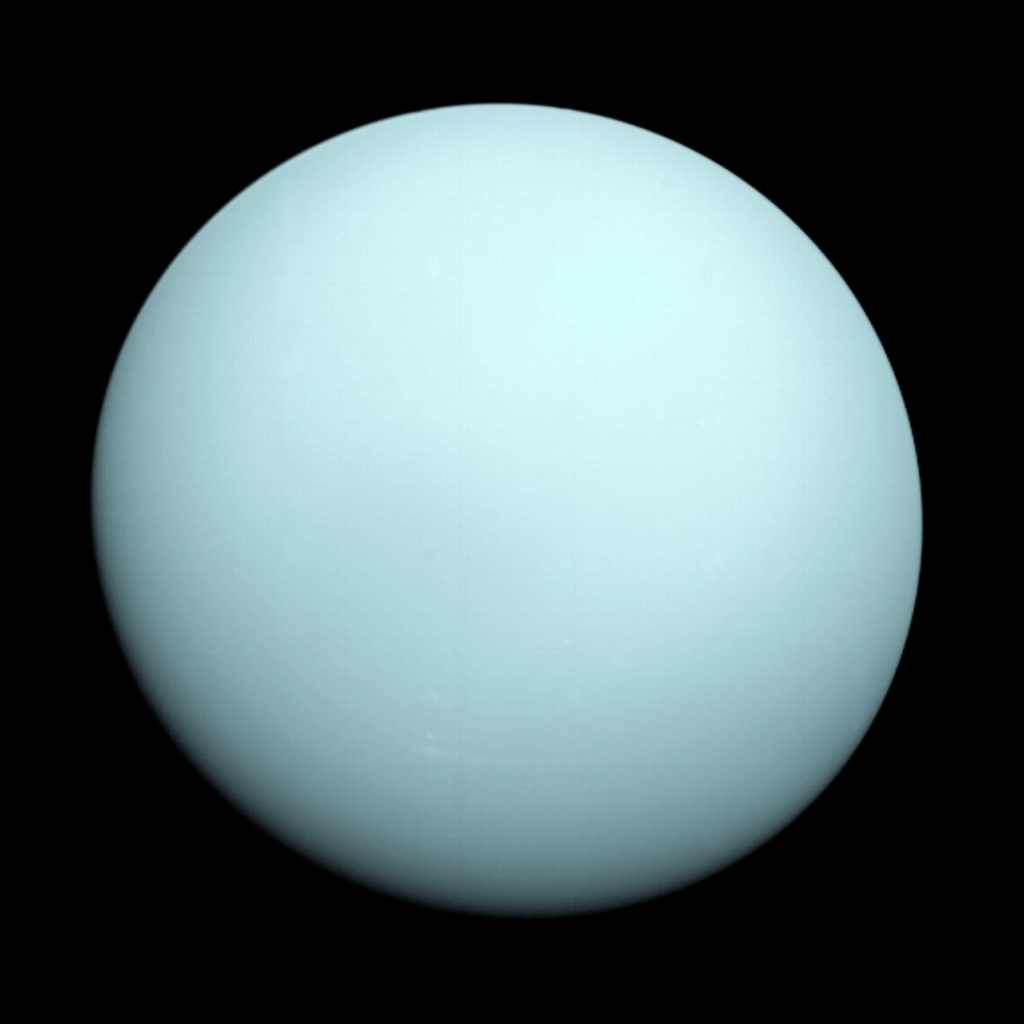
Uranus (mag 5.8). It will be visible in the east before sunrise and its visibility will improve throughout the month. In early July it will be close to Venus making it easy to spot with binoculars or a telescope. By the end of the month it will be more 30 degrees high in the east close to the Pleiades in the constellation Taurus.
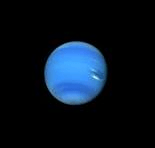
Neptune (mag 7.9): will be visible alongside Saturn high in the southeast primarily in the morning before sunrise early in the month. Neptune will get higher and higher each night eventually becoming a evening object as we get to the month of August.

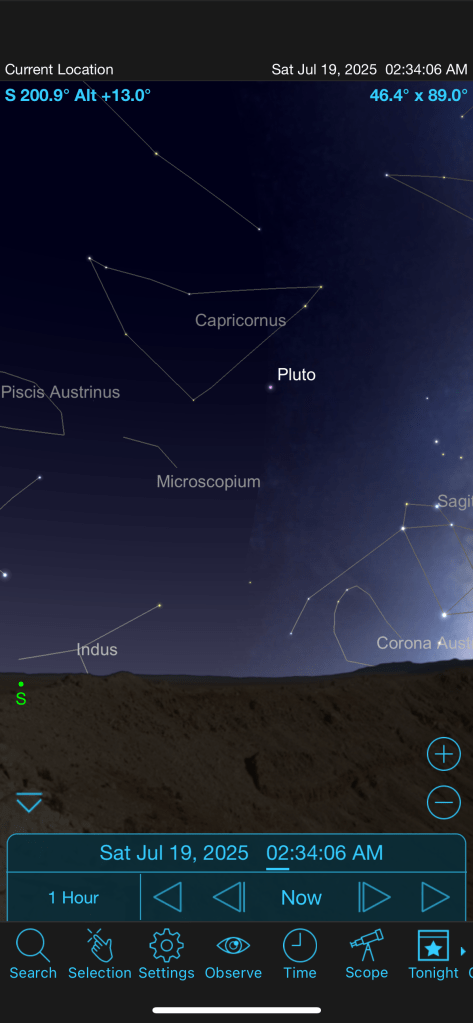
Pluto (14.4): reaches opposition on July 24 meaning it will be at its brightest and furthest from the sun in the sky. But its pretty much invisible to see for most amateur astronomers.
Bright Galaxies and Nebulas visible
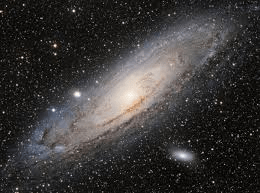
The Andromeda Galaxy (M31): rises just after 9pm and is up all night high in the east. Though at mag 3.3 a naked eye object it is better to seen with a pair a binoculars. You can find it by using the upper part of the “W” shape of the constellation Cassiopeia as a pointer to Andromeda.
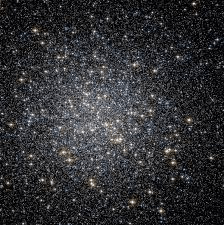
Hercules Cluster (M13): this globular cluster at mag 5.8 is one of the brightest star clusters visible here in the Northern Hemisphere and is easily spotted through binoculars or a telescope. It is already high up at sunset in the east northeast sky in the constellation Hercules.
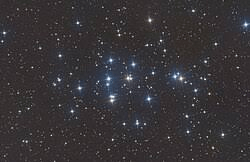
Beehive Cluster (M44): open cluster at mag 3.1 is located in the constellation Cancer. It is visible very low in the west after sunset early in the month, By mid month it sink too far below the horizon to see.

Messier 22: this globular cluster located in Sagittarius at mag 5.09. It will be well place in the south around midnight for most of the month.
Bright Stars
Arcturus(mag 0.2): bright orange looking star, located in the constellation Boötes. It will be visible for most of the night started high up in the east after sunset and then setting before 4am.
Vega(mag 0.0) bright white star located in the constellation Lyra. Will already be well above the northeast horizon by sunset and straight up high in the sky by midnight.
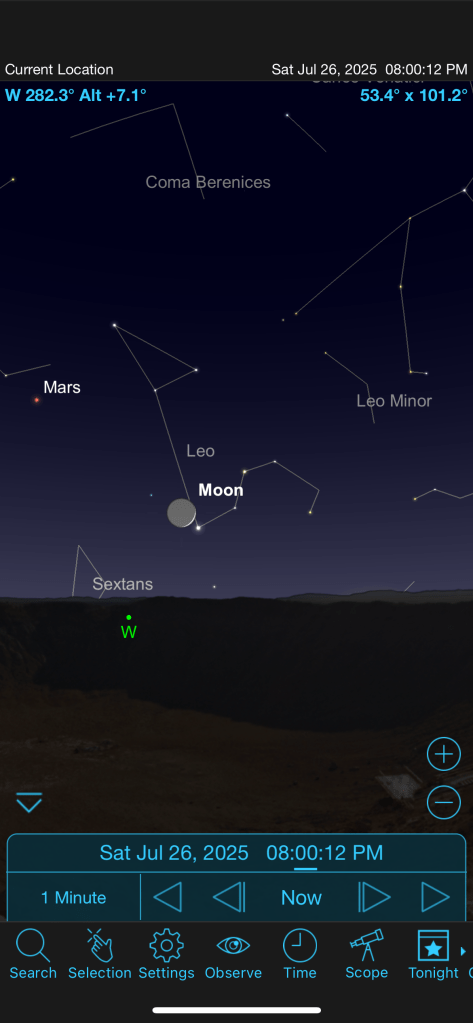
Regulus(mag 1.4): is the brightest star located in the constellation Leo. You can find it low in the west after sunset for about an hour before it sets about an hour later. On July 26 at dusk catch Regulus and the waxing crescent moon very close together. You will have a vey short window as they both will set by 9pm. Regulus will disappear completely by August and will reappear in the morning sky in September.
Antares(mag 1.07) bright orange-red star, located in the constellation Scorpius. It will be visible low in the south to south west sky late in the evening. On July 6 and 7 the waxing gibbous Moon will be not to far a way.

Meteor Showers
Piscis Austrinid: This shower is active from July 15 to August 10 with its peak around July 28. The meteors appear to originate from a region near the star Fomalhaut in Piscis Austrinid. They are best observed from southern latitudes due the constellation location. This shower are considered a relatively faint shower, with a hourly rate around 5 under ideal conditions. To maximize your chances look towards the east around 11pm on July 27 and 28, especially after midnight when the radiant is highest.
Delta Aquarids: This shower is active from late July through early August with peak around July 30. It is also known for overlapping with the Perseids. The meteors appear to originate from the constellation Aquarius, but they can appear anywhere in the sky. This shower typically produces 15 to 20 meteors per hour under ideal conditions. However the meteors are usually faint without any bright fireballs. The shower is best seen in the predawn hours after midnight. The moon will not be an issue as it will be a waxing crescent in the evening sky during the peak.
Perseids: although this shower peaks in August, it is already active during late July.
Moon Phases
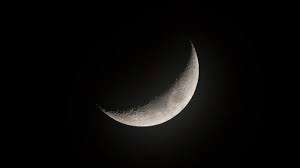
Waxing Crescent July 1
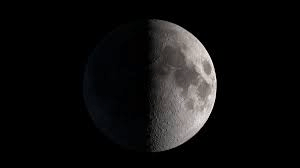
First Quarter: July 2
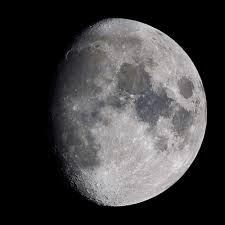
Waxing Gibbous: July 3-9
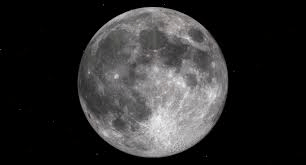
Full Moon: July 10
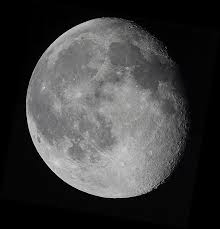
Waning Gibbous: July 11-16
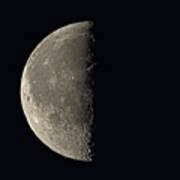
Last Quarter: July 17-18

Waning Crescent: July 19-23

New Moon: July 24
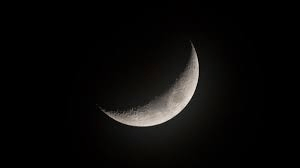
Waxing Crescent: July 25-31
 AstroJoe Arizona Monthly Sky Tour
Leave a comment