Planets visible
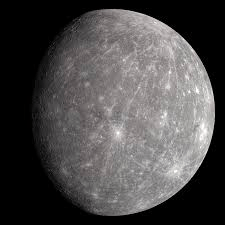
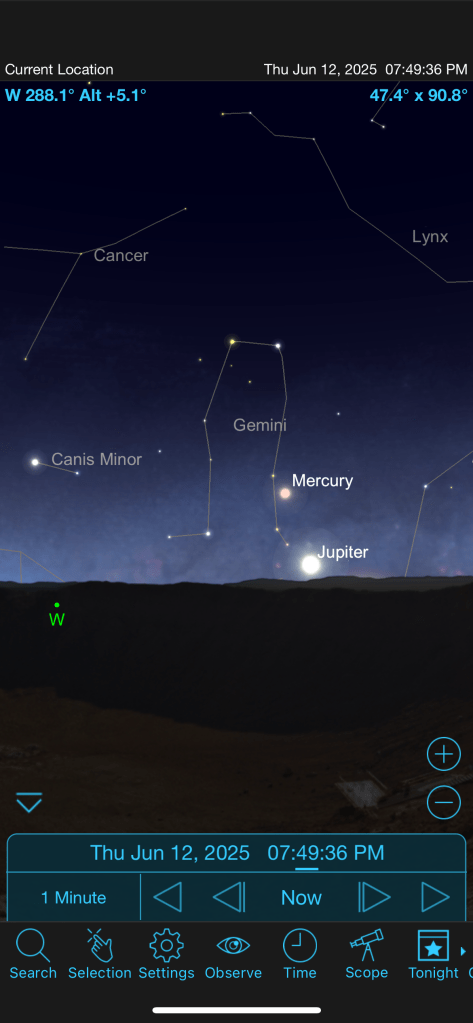
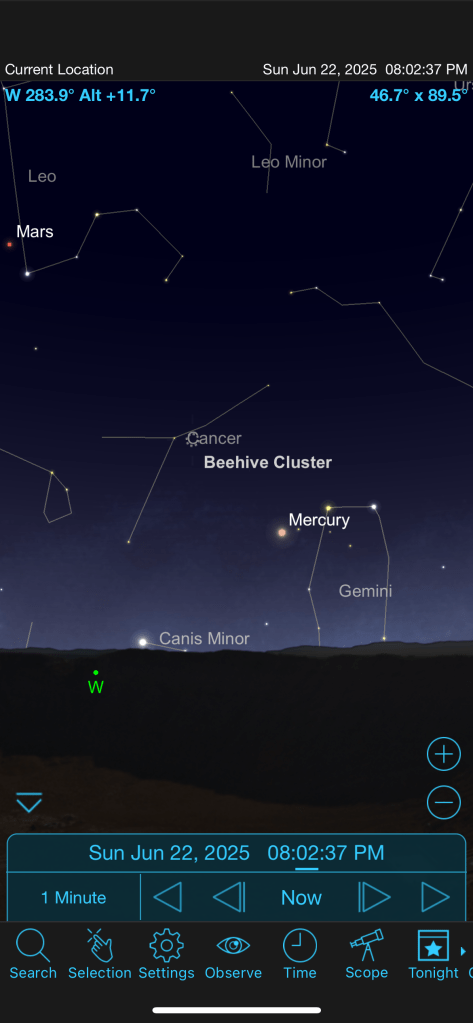
Mercury (mag -0.8 to 0.4): will be visible in the evening sky toward the middle of the month. It will be located low in the western sky in the constellation Gemini not far from the star Pollux. It will only be out for an hour or so after sunset being visible before 8pm in twilight but setting by 9pm.
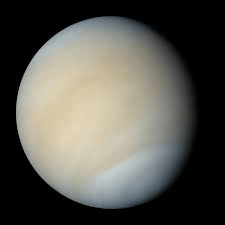
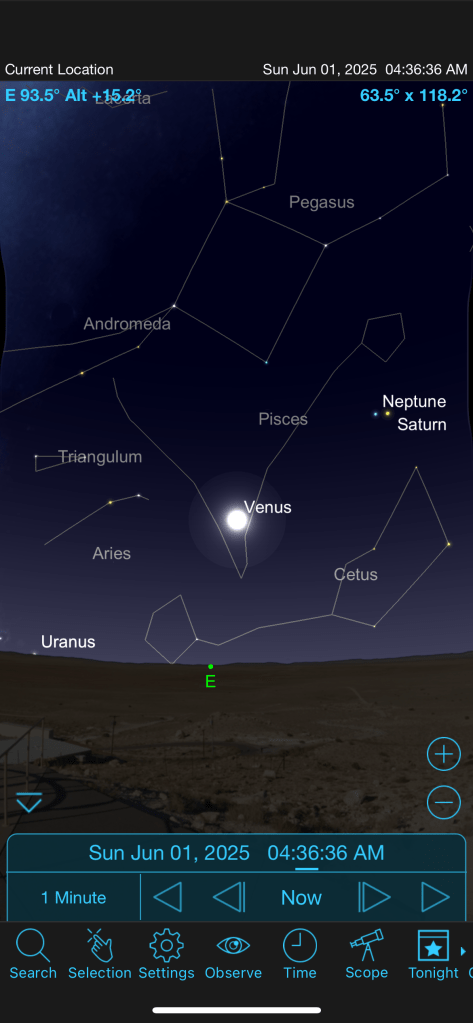
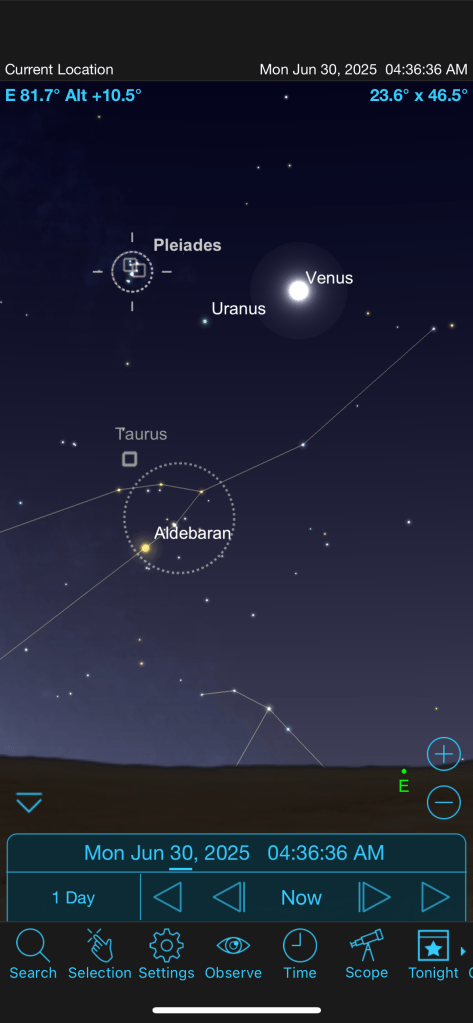
Venus (mag -4.3 to -4.1 ): continues to be visible in the morning sky and will reach its greatest distance from the sun on June 1. It rises in the east around 3:00am and is well place in the east southeast sky at sunrise. Venus will move from the first point of the constellation Pisces to close to Pleiades by the end of the month. Venus will look half illuminated in a telescope.

Jupiter (mag -1.9): will be visible during the first half of the month low in the west during dusk near the constellation Auriga. But by June 24 it will be at solar conjunction meaning it will be close to the sun and be to difficult to observe. After that it will reappear in the morning sky in July.
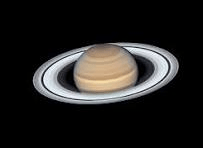
Saturn (mag 1.1 to 1.0): will continue to be visible in the morning sky rising around 2am early in the month to around midnight toward the end. It will be visible in the east and southeast before sunrise. Saturn will be in the vicinity of Neptune, and the two planets will only be one degree apart for all of June and the rest of the summer.

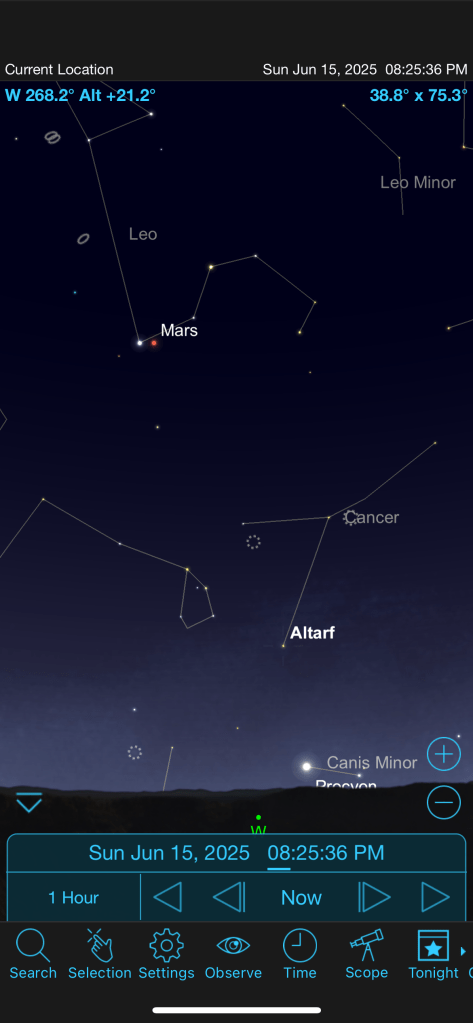
Mars (mag 1.3 to 1.5): will be visible all month in the east after sunset. It will be high in the southwest during dusk and set around midnight. The crescent moon will pass near it on June 1. On June 15, it will be close to Regulus located in the constellation Leo.
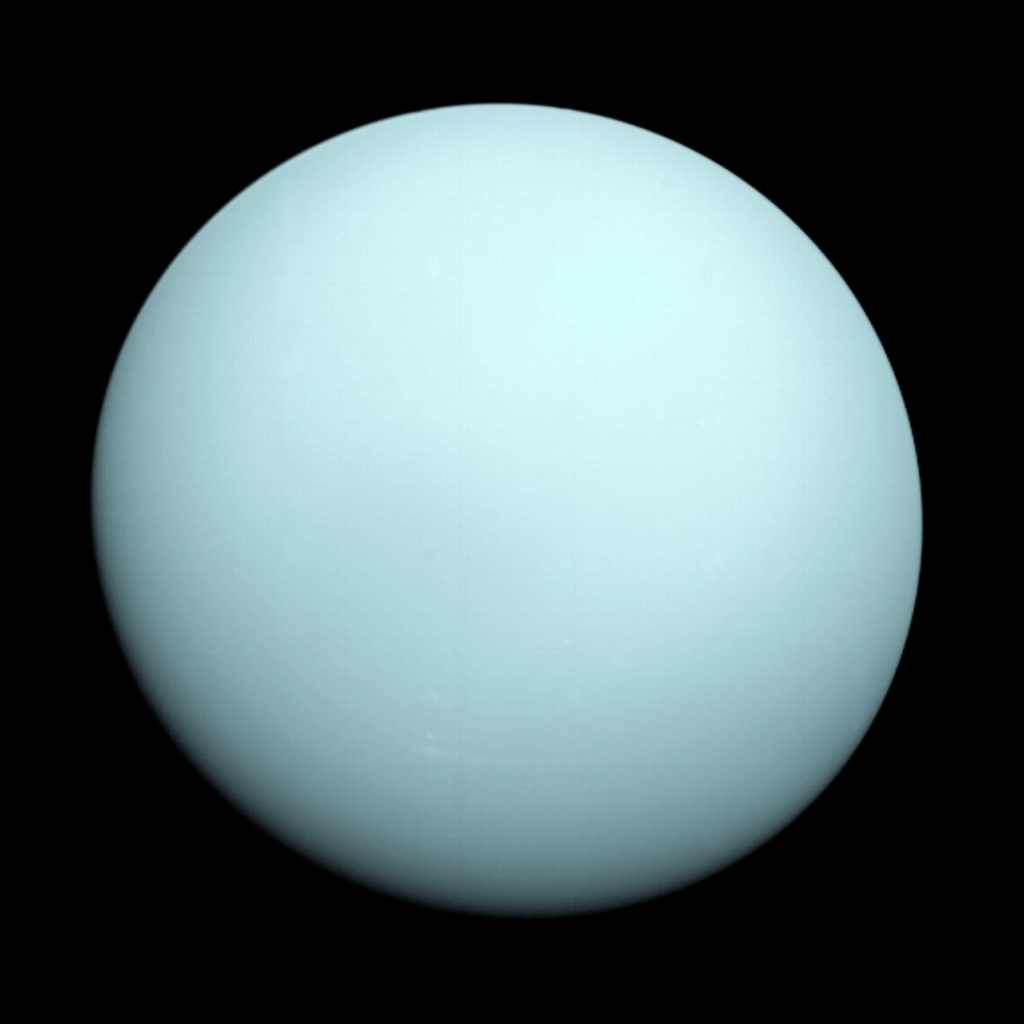
Uranus (mag 5.8) will emerge in the morning sky by mid month. It will be located in Taurus not to far away from the Pleiades low in the east. It will be better to see at the end of the month going into July as it climb higher and out of the morning twilight.
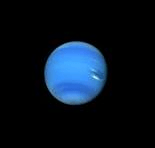
Neptune (mag 7.9): will be visible in the morning sky but will it will require binoculars and a telescope to see it. It will be near Saturn only a degree apart the entire month making it easier to find. It will be located in the constellation Pisces.

Pluto (14.5): is out in the morning sky high in the south but you need a powerful large computerizes telescope to see it as it is too faint and small. Even at it best in July it is still almost impossible to see especially for amateur astronomers.

Bright Galaxies and Nebulas visible
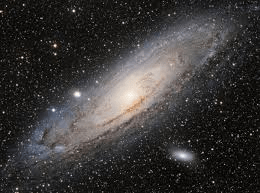
The Andromeda Galaxy (M31): rises around midnight and is pretty high up in the north east before sunrise. Though at mag 3.3 a naked eye object it is better to seen with a pair a binoculars. You can find it by using the upper part of the “W” shape of the constellation Cassiopeia as a pointer to Andromeda.

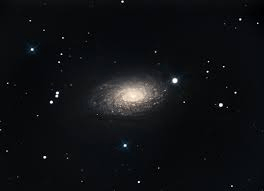
Sunflower Galaxy (M63): this galaxy at mag 8.5 is best observed from the Northern Hemisphere and can be seen with at least a 6 inch telescope, revealing its structure. It will be located high overhead during the evening near the constellation Canes Venatici.
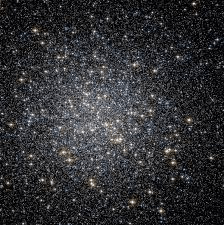
Hercules Cluster (M13): this globular cluster at mag 5.8 is one of the brightest star clusters visible here in the Northern Hemisphere and is easily spotted through binoculars or a telescope. It will be pretty high in the north east sky around 9pm located in the constellation Hercules.
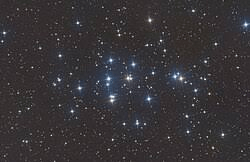
Beehive Cluster (M44): open cluster at mag 3.1 is located in the constellation Cancer. It is visible low in the west after sunset and will gradually sink closer to the horizon as the month goes on.
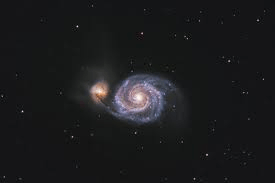
Whirlpool Galaxy (M51): located in the constellation Canes Venatici, near the Big Dipper handle. For the month of June it will be pretty high up in the evening sky right after sunset. At mag 7.9 it can be observed with small telescopes.

Bright Stars
Arcturus(mag 0.2): bright orange looking star, located in the constellation Boötes. It will be visible for most of the night started high up in the east after sunset and then setting before 4am.
Vega(mag 0.0) bright white star located in the constellation Lyra. Will already be well above the northeast horizon by sunset and will be out all night.
Regulus(mag 1.4): is the brightest star located in the constellation Leo. You can find it in the western sky after sunset. It will be particularly noticeable close to the planet Mars on June 16.
Meteor Showers
Arietids: active from May 29 to June 17. It peaks around the mornings of June 7. The best time to view is before dawn, as the radiant point in the constellation Aries rises in the east. It is sometimes considered the most active daytime meteor shower. At its peak it could produce a nominal rate of around 50 meteors per hour. Meteor counts with radar and radio echoes have indicated much higher rates as high as 200 meteor per hour.
June Bootid: active from June 22 to July 2 with a peak around June 27. With the radiant located in the constellation Bootes which is visible all night produce good displays during the evening hours as well as before dawn. There will be no interference by the moon around the peak. Unfortunately it has a very low rate of 1 to 2 meteor per hour.
Comets that are out but only visible with big scopes
C/2023 A3 (mag 13): Great comet of 2024 still visible all night
Moon Phases
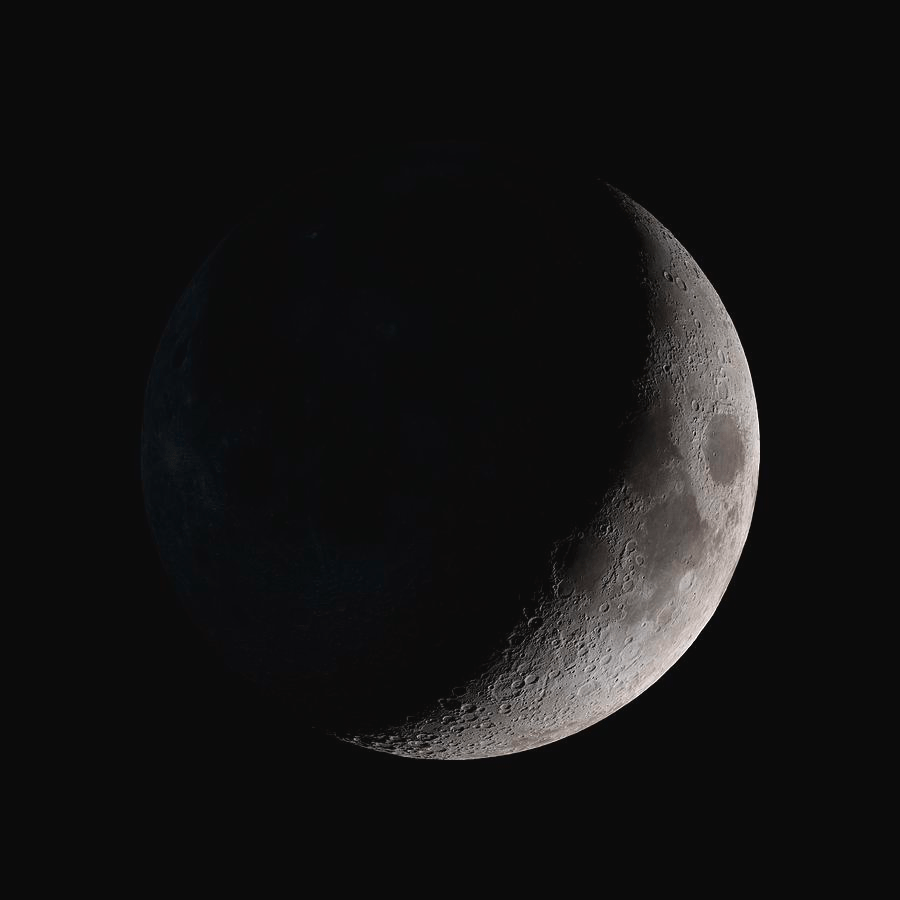
Waxing Crescent: June 1
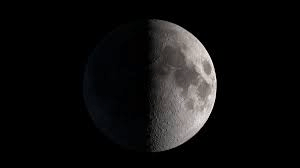
First Quarter: June 2-4
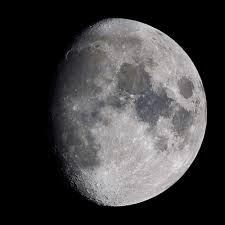
Waxing Gibbous: June 5-9
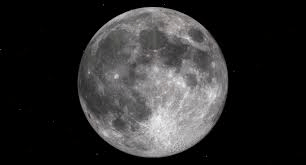
Full Moon: June 10-12
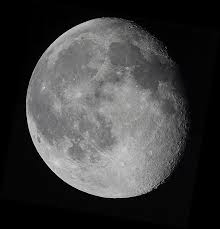
Waning Gibbous: June 13-16
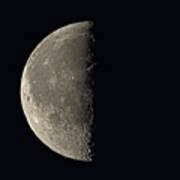
Last Quarter: June 17-19

Waning Crescent: June 20-23

New Moon: June 24-26
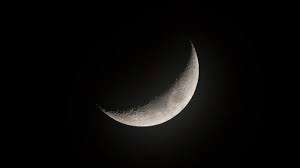
Waxing Crescent: June 27-30
 AstroJoe Arizona Monthly Sky Tour
Leave a comment